
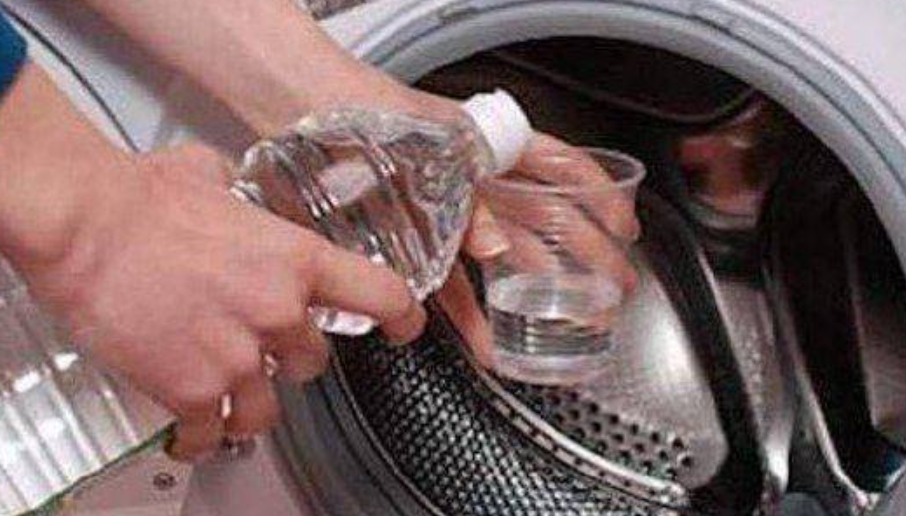
If you’ve ever noticed unpleasant odors, detergent buildup, or musty-smelling laundry, you’ve probably wondered whether vinegar helps clean the washing machine. The answer is yes—when used correctly, distilled white vinegar can help dissolve mineral deposits, loosen soap residue, and reduce unpleasant odors, making it one of the most affordable and natural cleaning solutions for routine washing machine maintenance.
The idea that vinegar helps clean the washing machine has become increasingly popular among homeowners looking for eco-friendly alternatives to harsh chemical cleaners. Thanks to its mild acidity, vinegar can break down hard water deposits and detergent residue that accumulate over time inside the drum, detergent drawer, and rubber door seal.
A clean washing machine doesn’t just smell better—it can also help your laundry come out fresher and prevent residue from transferring onto clothes. While vinegar isn’t a cure-all and isn’t recommended for every cleaning situation or every manufacturer, it can be an excellent part of a regular maintenance routine when used properly.
In this guide, you’ll learn exactly how vinegar works, how to use it safely, when to avoid it, and the best practices for keeping your washing machine performing at its best.
Ingredients and Supplies You Will Need
Cleaning your washing machine with vinegar requires only a few simple household items.
Essential Supplies
- 2 cups distilled white vinegar
- The mild acidity helps dissolve soap scum and mineral deposits.
- Microfiber cloth
- Perfect for wiping the drum, door, and exterior.
- Soft sponge
- Helps remove stubborn residue without scratching surfaces.
- Soft toothbrush
- Ideal for cleaning small crevices around the detergent drawer and rubber gasket.
- Warm water
- Helps rinse away loosened dirt and residue.
Optional Supplies
- Baking soda (used separately, not mixed directly with vinegar)
- Mild dish soap
- Cotton swabs
- Spray bottle
- Clean towels
Step-by-Step Instructions
Follow these steps to safely clean your washing machine.
Step 1: Empty the Washing Machine
Remove all clothing from the drum.
Inspect the machine for forgotten items such as socks or tissues.
Cleaning works best when the drum is completely empty.
Step 2: Clean the Detergent Drawer
Remove the detergent dispenser if your model allows.
Soak it in warm water.
Use a soft brush to remove detergent buildup.
Dry thoroughly before reinstalling.
Step 3: Add the Vinegar
Pour approximately two cups of distilled white vinegar directly into the detergent dispenser or the drum, depending on your manufacturer’s instructions.
Avoid adding detergent during this cycle.
Step 4: Run a Hot Wash Cycle
Select the hottest and longest cleaning cycle available.
If your washer includes a dedicated “Tub Clean” or “Drum Clean” setting, use it.
The hot water helps the vinegar circulate throughout the machine and loosen buildup.
Step 5: Wipe the Interior
After the cycle finishes, open the door.
Use a microfiber cloth to wipe:
- The drum
- The door glass
- The rubber gasket
- The inside edges
Pay special attention to areas where moisture collects.
Step 6: Clean the Rubber Door Seal
Pull back the rubber gasket carefully.
Wipe away lint, soap residue, and trapped debris.
A soft toothbrush can help reach tight corners.
Step 7: Leave the Door Open
Allow the washer to air dry.
Leaving the door slightly open helps reduce moisture and discourages mold and mildew growth.
Why Vinegar Helps Clean the Washing Machine
Many homeowners ask why vinegar works so well.
The answer lies in its mild acidity.
Distilled white vinegar can help:
- Loosen soap residue
- Dissolve light mineral deposits
- Reduce musty odors
- Remove detergent buildup
- Freshen the drum
- Improve overall cleanliness
Routine cleaning also helps maintain a fresh-smelling appliance.
Expert Tips for the Best Results
1. Use Distilled White Vinegar
Avoid flavored or colored vinegars.
Distilled white vinegar is inexpensive and leaves minimal residue.
2. Don’t Use Too Much
More vinegar isn’t necessarily better.
Excessive amounts offer little additional cleaning benefit and frequent overuse may not be appropriate for all washing machines.
3. Clean Monthly
A monthly maintenance cycle is often enough for most households.
Homes with hard water may benefit from slightly more frequent cleaning.
4. Wipe the Gasket Regularly
Front-loading washers commonly trap moisture around the rubber seal.
Keeping this area dry helps minimize unpleasant odors.
5. Don’t Forget the Filter
Many washing machines include a drain filter.
Check your owner’s manual for cleaning instructions.
6. Leave the Door Open
After every wash, allow air to circulate inside the machine.
This simple habit can significantly reduce mildew growth.
Alternative Cleaning Methods and Variations
If vinegar isn’t recommended by your washer’s manufacturer, consider these alternatives.
Manufacturer-Approved Washing Machine Cleaner
Many appliance brands sell cleaners specifically formulated for their machines.
These products are often the safest option for regular maintenance.
Baking Soda
Baking soda can help remove odors and residue.
Use it in a separate cleaning cycle rather than mixing it directly with vinegar.
Mild Dish Soap
For cleaning the exterior and detergent drawer, warm water and a small amount of dish soap work well.
Hydrogen Peroxide
Some people use hydrogen peroxide for disinfecting certain washable components.
Always verify compatibility with your appliance before use.
Storage and Maintenance Guide
Since this is a cleaning method rather than a recipe, proper maintenance is more important than storage.
After Every Wash
- Leave the door open.
- Empty the detergent drawer if needed.
- Wipe away standing water.
- Remove visible lint.
Weekly
- Clean the detergent drawer.
- Inspect the rubber seal.
- Wipe the control panel.
Monthly
Run a maintenance cleaning cycle using a manufacturer-approved cleaner or, if appropriate for your model, distilled white vinegar according to the owner’s manual.
Every Few Months
Inspect hoses for leaks or cracks.
Clean the drain filter if your model has one.
Common Mistakes to Avoid
Even though vinegar helps clean the washing machine, there are several mistakes to avoid.
Using Vinegar Too Frequently
Some manufacturers advise against repeated use because the acidity may contribute to wear on certain rubber seals or components over time.
Always follow the appliance manufacturer’s guidance.
Mixing Vinegar and Bleach
Never combine vinegar with chlorine bleach.
Mixing them creates toxic chlorine gas, which is dangerous to inhale.
Ignoring the Manufacturer’s Instructions
Before using any cleaning product, check your washing machine’s care manual.
Following the manufacturer’s recommendations helps protect your warranty and appliance.
Forgetting the Gasket
The rubber door seal is one of the most common places for mold and mildew to develop.
Cleaning only the drum isn’t enough.
Frequently Asked Questions
Does vinegar really help clean the washing machine?
Yes. Distilled white vinegar can help remove light mineral deposits, detergent residue, and odors as part of routine maintenance. However, always check your washer’s manual, as some manufacturers discourage its regular use.
How often should I clean my washing machine with vinegar?
For machines where vinegar is considered acceptable, about once a month is generally sufficient for routine maintenance. Follow your manufacturer’s recommendations.
Can vinegar remove mold completely?
Vinegar may help reduce mildew and odors on accessible surfaces, but heavy mold growth may require a manufacturer-approved cleaner or replacement of affected parts.
Is vinegar safe for front-load washers?
Many people use vinegar in front-load machines, but some manufacturers advise against it because of potential long-term effects on rubber components. Always consult your owner’s manual first.
Can I use apple cider vinegar instead?
No.
Distilled white vinegar is the preferred option because it is clear, inexpensive, and leaves less residue than other types of vinegar.
Final Thoughts
The idea that vinegar helps clean the washing machine has remained popular for good reason. When used appropriately and in accordance with your appliance manufacturer’s recommendations, distilled white vinegar can be a practical, affordable way to freshen the drum, reduce detergent residue, and help control everyday odors.
That said, vinegar isn’t the right solution for every washing machine. The best approach is to combine good habits—such as leaving the door open after each cycle, cleaning the detergent drawer regularly, inspecting the gasket, and following the maintenance schedule in your owner’s manual. With consistent care, your washing machine can stay cleaner, smell fresher, and continue delivering excellent laundry results for years to come.