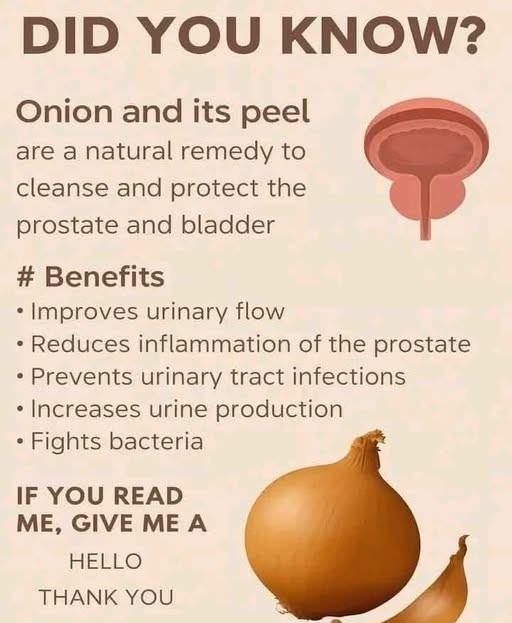
Onions have been valued for centuries as both a flavorful kitchen staple and a traditional home remedy. Recently, claims circulating online suggest that onions and even onion peels can cleanse the bladder, protect the prostate, improve urinary flow, fight bacteria, and prevent urinary tract infections.
While onions are undoubtedly rich in beneficial plant compounds, it’s important to separate traditional beliefs from scientific evidence. Eating onions as part of a balanced diet can contribute to overall health, but no high-quality research has shown that onions or onion peel alone can cleanse the prostate or cure urinary conditions.
In this article, we’ll explore what onions actually contain, their potential health benefits, safe ways to use onion peel, and what current research says about prostate and bladder health.
What Makes Onions So Nutritious?
Onions are packed with vitamins, minerals, and powerful antioxidants.
Nutritional Highlights
One medium onion provides:
- Vitamin C
- Vitamin B6
- Folate
- Potassium
- Dietary fiber
- Low calories
- Natural antioxidants
One of the most valuable compounds in onions is quercetin, a plant flavonoid known for its antioxidant and anti-inflammatory properties.
Health Benefits of Onions
1. Rich in Antioxidants
Onions contain compounds that help protect cells from oxidative stress caused by free radicals.
A diet rich in antioxidant-containing vegetables may support long-term health and healthy aging.
2. Supports Heart Health
Regular consumption of onions may help support cardiovascular health as part of an overall healthy diet.
Studies suggest onion compounds may help:
- Support healthy blood pressure
- Promote healthy cholesterol levels
- Improve blood vessel function
These benefits come from the overall diet rather than onions alone.
3. May Help Reduce Inflammation
Quercetin and sulfur-containing compounds found in onions have shown anti-inflammatory effects in laboratory and some human studies.
Reducing chronic inflammation is associated with better overall health, although onions should not be viewed as a treatment for inflammatory diseases.
4. Supports Digestive Health
Onions naturally contain prebiotic fibers, especially inulin, which feed beneficial gut bacteria.
A healthy gut microbiome contributes to:
- Improved digestion
- Better immune function
- Enhanced nutrient absorption
5. May Help Regulate Blood Sugar
Some research suggests onion compounds may support healthy blood sugar regulation when combined with a balanced diet and healthy lifestyle.
However, onions are not a substitute for diabetes treatment or medication.
What About Onion Peels?
Most people throw onion peels away, but they actually contain high concentrations of:
- Quercetin
- Polyphenols
- Flavonoids
- Antioxidants
Because onion peels are tough and fibrous, they aren’t usually eaten directly.
Instead, they’re often used to:
- Flavor homemade broth
- Brew herbal infusions
- Add antioxidants to soups (remove before serving)
Always wash onions thoroughly before using the peel to reduce dirt or pesticide residues.
Can Onion Peel Tea Be Beneficial?
Some people prepare onion peel tea by simmering clean onion skins in water.
Traditional uses include:
- Supporting hydration
- Providing antioxidant compounds
- Serving as a caffeine-free warm beverage
However, there is no strong clinical evidence showing that onion peel tea can:
- Cure urinary tract infections
- Treat enlarged prostate
- Cleanse the bladder
- Eliminate bacteria from the urinary system
If urinary symptoms persist, medical evaluation is important.
Does Onion Help the Prostate?
The image claims onions “protect the prostate.”
Here’s what current evidence suggests:
Some observational studies indicate that diets rich in vegetables, including onions, may be associated with better overall prostate health.
Possible reasons include:
- Antioxidants
- Anti-inflammatory compounds
- Healthy plant nutrients
However:
- No food has been proven to prevent prostate disease on its own.
- Onions cannot shrink an enlarged prostate.
- They do not replace medical treatment for prostate conditions.
Can Onions Improve Urinary Flow?
Difficulty urinating is often caused by:
- Benign enlarged prostate (BPH)
- Urinary tract infections
- Bladder problems
- Certain medications
- Neurological conditions
There is no reliable evidence that onions alone improve urinary flow in people with these conditions.
Persistent urinary symptoms should always be discussed with a healthcare professional.
Do Onions Prevent Urinary Tract Infections?
Onions contain natural antibacterial compounds in laboratory settings.
However, laboratory findings do not mean eating onions prevents or cures urinary tract infections in humans.
If you experience:
- Burning during urination
- Fever
- Blood in the urine
- Frequent painful urination
You should seek medical care, as UTIs often require appropriate treatment.
Traditional Ways to Use Onion Peels
If you’d like to reduce food waste, onion peels can be used in several safe ways.
Homemade Vegetable Broth
Add washed onion skins while simmering vegetables.
They contribute:
- Color
- Flavor
- Antioxidants
Strain the broth before serving.
Herbal Infusion
Simmer:
- Clean onion peels
- Water
For about 10–15 minutes.
Strain and drink warm if you enjoy the flavor.
Compost
Onion peels are excellent additions to compost piles, enriching garden soil naturally.
Other Foods That Support Urinary and Prostate Health
Rather than relying on a single food, a balanced dietary pattern offers the greatest health benefits.
Examples include:
- Tomatoes (rich in lycopene)
- Berries
- Leafy green vegetables
- Nuts
- Olive oil
- Fatty fish
- Whole grains
- Beans
- Pumpkin seeds
- Fruits rich in vitamin C
A varied diet supports overall wellness more effectively than any one ingredient.
Healthy Lifestyle Tips
To support urinary and prostate health:
- Stay well hydrated.
- Eat plenty of fruits and vegetables.
- Maintain a healthy weight.
- Exercise regularly.
- Limit smoking and excessive alcohol.
- Schedule regular health checkups, especially after age 50 or earlier if recommended.
Frequently Asked Questions
Can onion peel cure prostate problems?
No. There is no scientific evidence that onion peel cures prostate diseases or replaces medical treatment.
Is onion peel safe to use?
Yes, when thoroughly washed and used in broths or teas. Avoid using peels that are moldy or heavily treated with chemicals.
Does onion kill bacteria inside the body?
While onions contain compounds with antibacterial activity in laboratory studies, eating onions does not treat bacterial infections in humans.
Can onion tea improve urinary health?
Onion tea may be a comforting beverage, but there is no strong evidence that it treats urinary disorders or bladder disease.
Are onions healthy?
Yes. They are nutritious vegetables that provide fiber, vitamins, and beneficial plant compounds as part of a balanced diet.
Should I stop taking my medication if I eat onions?
No. Never replace prescribed medications with home remedies without consulting your healthcare provider.
Final Thoughts
Onions are a nutritious vegetable with antioxidant, anti-inflammatory, and prebiotic properties that can contribute to overall health when included in a balanced diet. Onion peels also contain beneficial plant compounds and can be used in broths or herbal infusions to reduce food waste.
However, claims that onions or onion peels can cleanse the bladder, cure prostate conditions, prevent urinary tract infections, or dramatically improve urinary flow are not supported by strong scientific evidence. While onions can be part of a healthy lifestyle, they should not be considered a replacement for medical care when dealing with urinary symptoms or prostate disease.
If you experience persistent urinary problems, pain, blood in the urine, or difficulty urinating, it’s important to seek evaluation from a qualified healthcare professional for proper diagnosis and treatment.