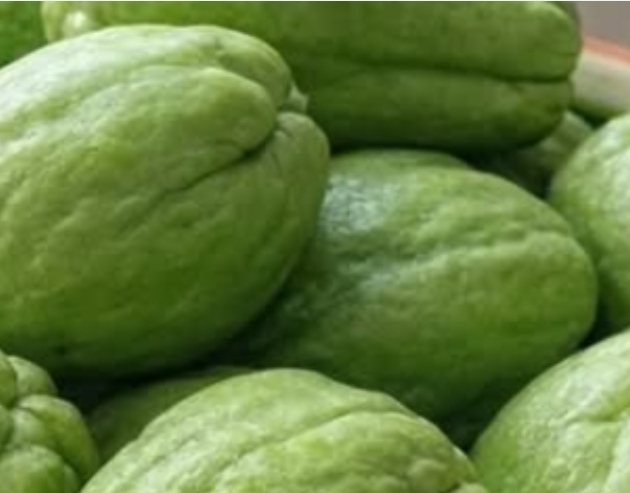
What Is Chayote and Why Is It Worth Knowing?Chayote, also known as vegetable pear or mirliton, is a member of the squash family, closely related to zucchini and pumpkin. Native to Mesoamerica, it has been consumed for centuries throughout Mexico, Central America, and many parts of Latin America.Its appearance resembles a light-green wrinkled pear. When raw, it has a crisp texture similar to cucumber; when cooked, it becomes soft and mildly sweet. Because of its neutral flavor, chayote absorbs seasonings extremely well, making it useful in both savory and refreshing dishes.Nutritionally, chayote is naturally low in calories—around 19 calories per 100 grams—which makes it ideal for balanced eating patterns. It is commonly used in soups, stews, salads, and even blended drinks.Beyond tradition, modern nutrition science continues to highlight the importance of vegetables rich in fiber, vitamins, and minerals for maintaining everyday wellness.Key Nutrients in Chayote That Support Daily WellbeingChayote is composed of nearly 94% water, making it a naturally hydrating food. But its real value lies in its nutrient combination.Main nutrients found in chayote:Dietary fiberSupports digestion and helps maintain steady energy levels throughout the day.PotassiumPlays an important role in fluid balance and muscle function.Vitamin CContributes to immune system support and helps with iron absorption.Folate (Vitamin B9)Important for cellular function and energy metabolism.Rather than acting alone, these nutrients work together to support overall balance in the body. Diets rich in vegetables like chayote are often associated with improved daily vitality and long-term nutritional stability.How Chayote Fits Easily Into Everyday EatingAdding chayote to your meals doesn’t require complicated recipes or advanced cooking skills.Because it has a moderate glycemic index, it’s often chosen by people who prefer stable carbohydrate intake. Its mild taste allows it to blend seamlessly into many dishes without overpowering other ingredients.Simple ideas include:Adding sliced chayote to salads for extra crunchIncluding it in soups or broths where it absorbs flavorLightly steaming it as a side dish with lemon and herbsBlending it into green juices with fruitIts versatility makes it easy to consume consistently—one of the most important aspects of healthy eating.Chayote Compared to Other Common VegetablesHere’s a simple comparison using standard nutritional data per 100 grams:Vegetable Calories Fiber (g) Potassium (mg) Vitamin C (mg)Chayote 19 1.7 125 7.7Zucchini 17 1.0 261 17.9Cucumber 16 0.5 147 2.8Pumpkin 26 0.5 340 9.0Chayote stands out for its balance—low in calories yet offering more fiber than many similar vegetables. This makes it practical for rotation within a varied diet.Practical Steps to Prepare Chayote at HomeYou don’t need much time to start using chayote regularly.Choose firm chayotesLook for smooth skin, light green color, and no soft spots.Wash thoroughlyRinse under running water. Peeling is optional.Cut as desiredSlice, cube, or grate depending on the recipe.Cook simplyBoil or steam for 10–15 minutes until tender.Store properlyKeep in the refrigerator for up to one week.Starting with small portions makes it easier for your digestive system to adjust, especially if you’re increasing fiber intake.Easy Chayote Recipe IdeasHere are a few quick options you can rotate during the week:🥗 Fresh Chayote SaladGrated chayote, tomato, red onion, cilantro, lemon juice, and a pinch of salt.🍲 Light Vegetable SoupChayote simmered with carrot, celery, onion, and herbs—simple and comforting.🥤 Morning Green DrinkBlend chayote with green apple, lemon juice, and a small piece of ginger.Meals built around low-calorie vegetables are often easier to maintain long term, encouraging consistent healthy habits rather than short-term dieting.Potential Wellness Benefits of Including ChayoteWhile chayote is not a medical treatment, regular consumption may support general wellbeing when combined with a balanced lifestyle.Digestive support thanks to soluble fiberFluid balance due to potassium contentHydration support from its high water percentageDaily vitality through vitamin and mineral intakeThese benefits come not from one single compound, but from the cumulative effect of nutrient-dense whole foods.Conclusion: Start With Small, Simple ChangesChayote is affordable, accessible, and easy to prepare—qualities that make it ideal for everyday use. By adding it to your meals, you may find a gentle, natural way to enrich your nutrition without complexity.Simple chayote tea-style drink:Cut one chayote into cubesBoil with water, a pinch of salt, and lemon for 10 minutesBlend lightly and add a small amount of honeyDrink warm or chilledSometimes, the most effective changes are also the simplest.Frequently Asked QuestionsHow much chayote should I eat daily?About 100–200 grams per day is a reasonable starting amount.Can chayote interact with medications?It’s generally safe, but those taking potassium supplements or diuretics should consult a healthcare professional.Where can I buy fresh chayote?It’s widely available in Latin American markets, local produce stores, and many supermarkets during its season.
Discover How to Add Chayote to Your Daily Routine to Support Natural Health and Wellness