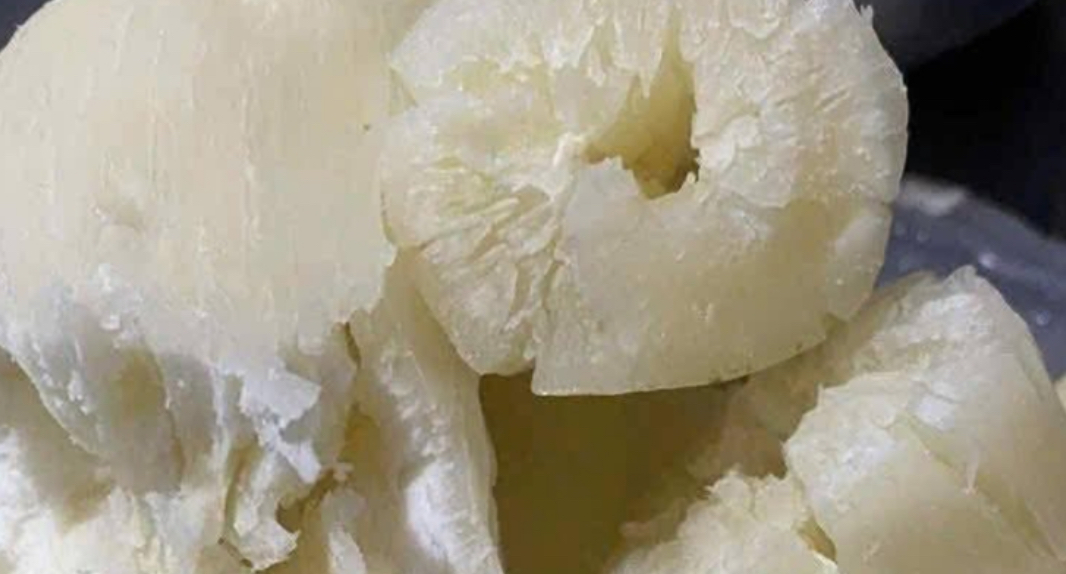
What Is Cassava (Yuca)?Cassava is a tropical root vegetable that looks a bit like a long, brown sweet potato on the outside, with white or pale yellow flesh on the inside. It’s extremely rich in carbohydrates and is a major energy source in many countries.You’ll find cassava in foods like:Tapioca (made from cassava starch)Cassava flour and breadCassava fries and chipsTraditional dishes in Latin America, Africa, and AsiaBecause it grows well in poor soil and drought conditions, cassava is often called a “survival crop.” It feeds millions—but it also comes with important health considerations.The Nutritional Profile: Why People Eat CassavaFrom a nutrition standpoint, cassava is mainly an energy food. It provides:Carbohydrates: Great for quick and sustained energyVitamin C: Supports immune function and skin healthPotassium: Helps with muscle function and fluid balanceSmall amounts of fiber: Aids digestion (especially in whole-root forms)Cassava is also naturally gluten-free, which makes it popular in gluten-free diets and products like tapioca flour and cassava flour.For people who need affordable, filling food, cassava can be a valuable part of the diet.Why Doctors Warn About Cassava: The Cyanide IssueHere’s where the headlines come from.Cassava naturally contains compounds called cyanogenic glycosides. When the plant is damaged or processed incorrectly, these compounds can release cyanide, a toxic substance.There are two main types of cassava:Sweet cassava: Lower in these compoundsBitter cassava: Much higher levels and more dangerous if not handled properlyIn places where cassava is a dietary staple, health problems have occurred when people rely heavily on poorly processed cassava or during times of famine when proper preparation isn’t possible.Potential health risks linked to chronic exposure include:Nerve damage and movement disorders (in extreme, long-term cases)Thyroid problems related to iodine metabolismAcute poisoning in rare but serious situationsThis is why you may see dramatic headlines claiming that “yuca causes poisoning” or “doctors warn against cassava.” The real issue isn’t cassava itself, but how it’s processed and consumed.Is Cassava Safe to Eat?In most parts of the world, the cassava products you buy in stores—like tapioca, cassava flour, or packaged cassava foods—are processed according to food safety standards. These products are generally considered safe when eaten as part of a normal, varied diet.Problems tend to appear when:Cassava is a major daily food with little dietary varietyProcessing methods are inadequate or rushedPeople rely on cassava almost exclusively for long periodsIn other words, for the average person eating store-bought cassava products occasionally, the risk is very low.Health Benefits of Cassava (When Eaten Responsibly)Despite the warnings, cassava does have real benefits:1. A Reliable Energy SourceCassava is extremely high in carbohydrates, making it useful for people who need calorie-dense food—athletes, physically active individuals, or those who struggle to maintain weight.2. Naturally Gluten-FreeFor people with celiac disease or gluten sensitivity, cassava-based products offer a valuable alternative to wheat-based foods.3. Supports Food SecurityGlobally, cassava plays a critical role in preventing hunger. Its ability to grow in tough conditions makes it a lifeline crop in many regions.4. Contains Vitamin C and MineralsWhile not a “superfood,” cassava does contribute some vitamin C and potassium, supporting basic immune and muscle function.The Real Risk: Over-Reliance and Poor Diet BalanceMost doctors and nutrition experts don’t say “never eat cassava.” Instead, they emphasize balance and variety.Diets that rely too heavily on cassava and lack:ProteinHealthy fatsMicronutrients (like iodine, iron, and zinc)can lead to malnutrition over time, even if calorie intake is high.So the bigger danger isn’t just cassava—it’s eating cassava instead of a balanced diet.Cassava vs. Tapioca: Are They the Same?Tapioca is made from cassava starch, but nutritionally it’s even more refined:Very high in carbsVery low in fiber, protein, and vitaminsMostly used for texture and energy, not nutritionThat means tapioca is fine as an occasional ingredient, but it shouldn’t be seen as a health food on its own.Why Clickbait Headlines Get It WrongHeadlines like “Doctors reveal that eating yuca causes…” are designed to grab attention. They usually leave out the context:The dose mattersThe processing mattersThe overall diet mattersCassava isn’t a poison—and it isn’t a miracle food either. It’s a staple carbohydrate with both benefits and risks, depending on how it’s used.The Bottom Line: Should You Avoid Cassava?For most people:Eating cassava products occasionally is fineStore-bought, properly processed products are generally safeCassava should be part of a varied, balanced diet, not the whole dietIf you see scary headlines, remember: they’re usually talking about extreme or improper use, not normal, everyday consumption.Final ThoughtsCassava (yuca) is a perfect example of how food can be both essential and misunderstood. It has fed millions for generations, yet it also requires respect and proper handling to avoid health problems.So next time you see a dramatic post claiming that “doctors warn about yuca,” take a breath and look at the full picture. The truth, as usual, is more balanced—and far more useful—than the headline.
Doctors Warn: The Hidden Health Risks and Benefits of Cassava (Yuca) You Should Know