
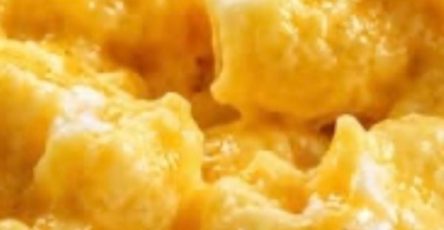
Few breakfast foods are as simple, satisfying, and versatile as scrambled eggs. Yet despite their simplicity, many people struggle to achieve the perfect texture. Scrambled eggs can easily become dry, rubbery, watery, or overcooked if not prepared correctly.
The good news is that learning how to make perfect scrambled eggs every time is easy once you understand a few essential techniques. Whether you prefer your eggs light and fluffy, rich and creamy, or somewhere in between, this complete guide will help you create restaurant-quality scrambled eggs in your own kitchen.
With just a handful of ingredients and a few minutes of cooking time, you’ll be able to enjoy soft, tender eggs that are packed with flavor and perfectly cooked every single time.
Why You’ll Love This Scrambled Eggs Recipe
- Quick and easy breakfast
- Ready in less than 10 minutes
- Soft and fluffy texture
- Rich, buttery flavor
- High in protein
- Budget-friendly
- Beginner-friendly
- Perfect for busy mornings
- Easily customizable
- Great for meal prep
What Makes Perfect Scrambled Eggs?
Perfect scrambled eggs should be:
- Soft and moist
- Light and fluffy
- Rich and creamy
- Tender, not rubbery
- Full of flavor
- Cooked evenly
The secret isn’t complicated ingredients—it’s all about technique.
Ingredients
Basic Scrambled Eggs
- 6 large eggs
- 2 tablespoons whole milk or heavy cream
- 1 tablespoon unsalted butter
- ½ teaspoon salt
- ¼ teaspoon black pepper
Optional Garnishes
- Fresh chives
- Parsley
- Green onions
- Shredded cheese
- Cracked black pepper
Equipment Needed
- Medium mixing bowl
- Whisk or fork
- Nonstick skillet
- Silicone spatula
Preparation Time
- Prep Time: 3 minutes
- Cook Time: 5 minutes
- Total Time: 8 minutes
- Servings: 2–3
Step 1: Choose Quality Eggs
Fresh eggs always produce the best scrambled eggs.
Look for eggs with:
- Bright yellow yolks
- Firm whites
- Fresh expiration dates
Higher-quality eggs generally provide better flavor and texture.
Step 2: Crack and Whisk Thoroughly
Crack the eggs into a medium bowl.
Add:
- Salt
- Pepper
- Milk or cream
Whisk vigorously for 60–90 seconds.
The goal is to fully combine the yolks and whites while incorporating air.
The mixture should become:
- Smooth
- Uniform in color
- Slightly frothy
This step creates lighter, fluffier eggs.
Step 3: Preheat the Pan Correctly
Place a nonstick skillet over medium-low heat.
Add butter.
Allow it to melt completely.
Swirl the butter around the pan.
Never rush this step.
High heat is one of the biggest causes of dry scrambled eggs.
Step 4: Pour in the Eggs
Pour the whisked egg mixture into the warm skillet.
Allow the eggs to sit untouched for about 15–20 seconds.
The edges will begin to set first.
Step 5: Stir Gently
Using a silicone spatula, slowly push the eggs from the edges toward the center.
Continue making long, gentle strokes.
Avoid stirring too quickly.
Large soft curds are the sign of properly cooked scrambled eggs.
The slower you cook them, the creamier they’ll become.
Step 6: Remove Before Fully Set
This is the most important step.
When the eggs look about 90% cooked and still slightly glossy, remove them from the heat.
The residual heat will finish cooking them.
Many people wait until the eggs appear fully cooked in the pan, which results in overcooked eggs on the plate.
Step 7: Serve Immediately
Transfer the eggs to warm plates.
Top with:
- Chopped chives
- Fresh parsley
- Shredded cheese
- Extra black pepper
Serve immediately for the best texture.
The Secret to Fluffy Scrambled Eggs
Professional chefs rely on three principles:
1. Whisk Well
More air equals fluffier eggs.
2. Cook Slowly
Low heat creates tender curds.
3. Stop Early
Residual heat finishes the cooking.
Following these three rules will dramatically improve your scrambled eggs.
Common Scrambled Egg Mistakes
Cooking Over High Heat
High temperatures cook eggs too quickly.
Result:
- Dry eggs
- Tough texture
- Rubbery consistency
Overcooking
Eggs continue cooking after leaving the stove.
Always remove them slightly before they’re done.
Not Whisking Enough
Poorly mixed eggs cook unevenly.
Thorough whisking improves texture.
Using the Wrong Pan
A nonstick skillet makes scrambling much easier.
Adding Too Much Liquid
A small amount of milk or cream works well.
Too much can create watery eggs.
Gordon Ramsay Style Scrambled Eggs
For ultra-creamy scrambled eggs:
- Cook on low heat
- Stir continuously
- Remove from heat frequently
- Add a small amount of butter
- Finish with crème fraîche
This method creates incredibly silky eggs.
Best Cheese for Scrambled Eggs
Add cheese near the end of cooking.
Excellent choices include:
- Cheddar
- Mozzarella
- Monterey Jack
- Swiss
- Parmesan
- Goat cheese
- Gruyère
- Feta
Delicious Scrambled Egg Variations
Cheesy Scrambled Eggs
Add:
- 1 cup shredded cheddar cheese
Creamy and rich.
Bacon Scrambled Eggs
Mix in:
- 4 slices cooked bacon
Adds smoky flavor.
Vegetable Scrambled Eggs
Add:
- Bell peppers
- Mushrooms
- Spinach
- Onions
A nutritious option.
Mediterranean Scrambled Eggs
Mix in:
- Feta cheese
- Tomatoes
- Olives
- Spinach
Fresh and flavorful.
Spicy Scrambled Eggs
Add:
- Jalapeños
- Hot sauce
- Red pepper flakes
Perfect for spice lovers.
Health Benefits of Scrambled Eggs
Eggs are one of nature’s most nutritious foods.
They provide:
Protein
Helps build and repair muscles.
Vitamin D
Supports bone health.
Choline
Important for brain function.
Vitamin B12
Supports energy production.
Selenium
Powerful antioxidant.
Healthy Fats
Help keep you full longer.
What to Serve with Scrambled Eggs
Perfect pairings include:
- Toast
- Croissants
- Bagels
- Avocado toast
- Breakfast potatoes
- Fresh fruit
- Bacon
- Sausage
- Pancakes
- Waffles
Frequently Asked Questions
Should I add milk to scrambled eggs?
A small amount of milk or cream can make eggs richer and softer, but it’s optional.
Why are my scrambled eggs rubbery?
They were likely cooked over heat that was too high or cooked too long.
How do restaurants make scrambled eggs so fluffy?
They whisk thoroughly, cook slowly, and remove the eggs before they are fully set.
Can I make scrambled eggs ahead of time?
Yes, but they’re best enjoyed fresh.
Store leftovers in the refrigerator for up to 2 days.
Should eggs be cooked on low heat?
Yes. Low heat produces the softest, creamiest texture.
Is butter necessary?
Butter isn’t required, but it greatly improves flavor and texture.
Expert Tips for Perfect Scrambled Eggs Every Time
- Use fresh eggs.
- Whisk until frothy.
- Cook over low heat.
- Stir gently.
- Remove before fully cooked.
- Use butter for richness.
- Serve immediately.
- Avoid overcrowding the pan.
- Use a nonstick skillet.
- Season properly.
Final Thoughts
Learning how to make perfect scrambled eggs every time is one of the most valuable kitchen skills you can master. With just a few ingredients and the right technique, you can transform ordinary eggs into a fluffy, creamy, restaurant-quality breakfast that tastes incredible every time.
The keys are simple: whisk thoroughly, cook slowly, stir gently, and remove the eggs from the heat while they’re still slightly soft. Follow these steps and you’ll never suffer through dry, rubbery scrambled eggs again.
Whether you enjoy them plain, loaded with cheese, mixed with vegetables, or paired with crispy bacon and toast, perfectly scrambled eggs are a timeless breakfast favorite that never goes out of style. 🍳🥚✨🍽️💛