Introduction
Constipation is one of the most common digestive complaints, and it can leave you feeling uncomfortable, bloated, heavy, and frustrated. When bowel movements become infrequent or stools are difficult to pass, many people immediately start looking for foods that can help get digestion moving again.
You may have seen viral posts promising that certain foods will “make you go to the bathroom quickly.” The reality is more nuanced. No single food works instantly for everyone, and the response depends on your usual diet, hydration, digestive health, medications, activity level, and the underlying cause of constipation.
Still, some foods genuinely can support bowel regularity. High-fiber fruits, whole grains, legumes, certain seeds, and foods containing natural sugar alcohols such as sorbitol may help soften stool, increase stool bulk, or encourage more regular bowel movements.
Official guidance from the National Institute of Diabetes and Digestive and Kidney Diseases recommends eating enough fiber and drinking adequate fluids to help prevent and relieve constipation. Adults generally need about 22–34 grams of fiber per day, depending on age and sex, and fiber should usually be increased gradually to reduce bloating and gas.
Research also suggests that certain specific foods, particularly kiwifruit and prunes, can improve some constipation-related outcomes. Recent dietary guidelines for chronic constipation include recommendations for foods such as kiwifruit, prunes, and rye bread, although the evidence varies in strength.
Below are 15 foods worth knowing about if you want to support more comfortable and regular digestion.
Quick Overview
| Food | Why It May Help |
|---|---|
| Prunes | Fiber + natural sorbitol |
| Kiwi | Fiber and digestive benefits |
| Pears | Fiber + sorbitol |
| Apples | Pectin-rich soluble fiber |
| Figs | Fiber-rich fruit |
| Raspberries | High fiber content |
| Oatmeal | Soluble fiber |
| Psyllium | Highly effective soluble fiber |
| Chia seeds | Fiber + water absorption |
| Flaxseed | Fiber and mucilage |
| Lentils | High fiber + plant protein |
| Beans | Insoluble and soluble fiber |
| Broccoli | Fiber + water |
| Sweet potatoes | Fiber, especially with skin |
| Rye bread | Fiber-rich whole grain |
1. Prunes
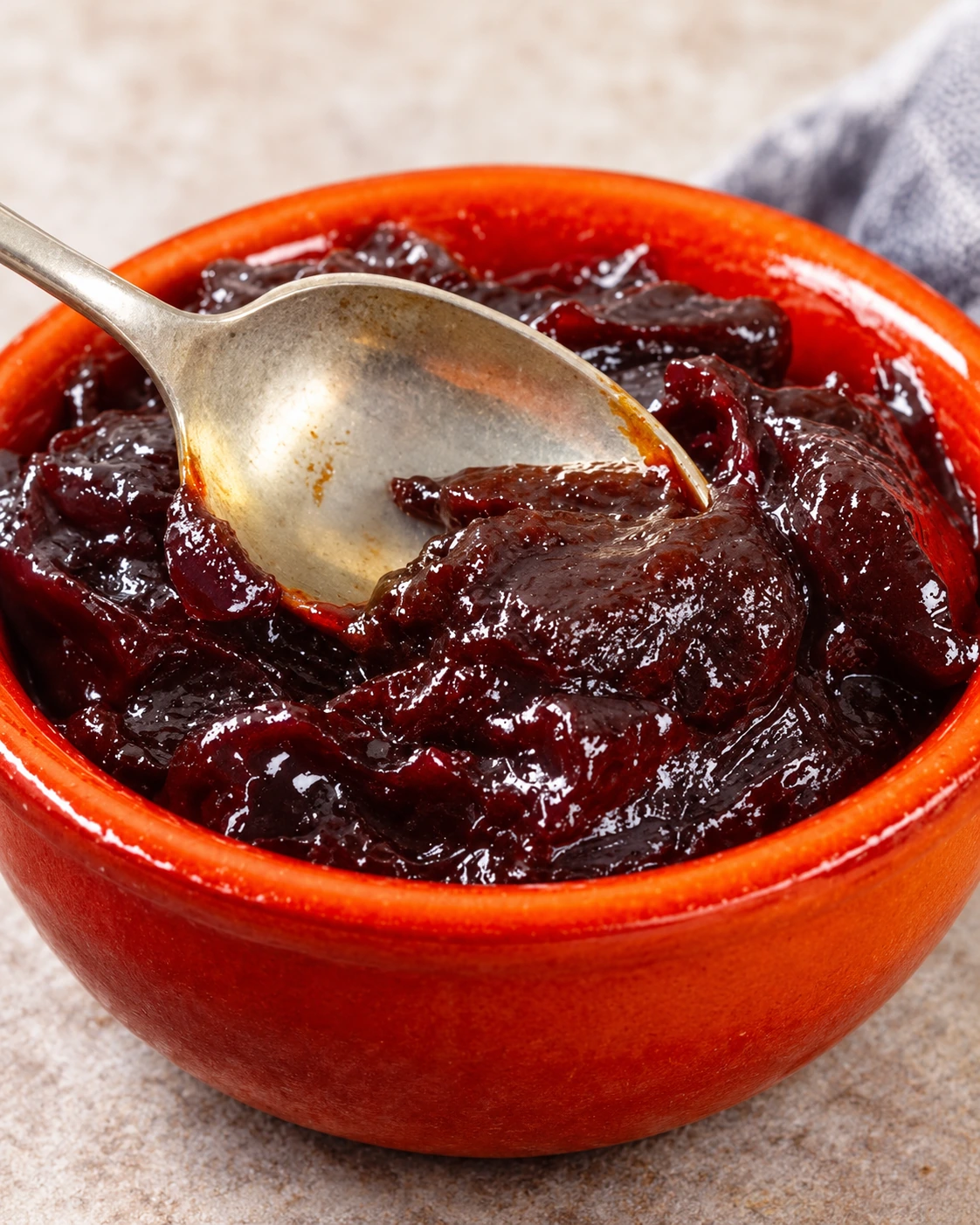
Prunes are probably the food most closely associated with constipation relief.
They are dried plums and contain both dietary fiber and sorbitol, a naturally occurring sugar alcohol that can draw water into the intestine in some people.
This combination may help make stool softer and easier to pass.
Clinical research has specifically examined prunes for constipation, and modern reviews continue to include them among foods with useful evidence for improving bowel function. However, they are not necessarily superior to other established fiber-based approaches in every outcome.
How to Use Prunes
Try:
- 4–6 prunes as a snack
- Chopped prunes in oatmeal
- Prunes blended into smoothies
- Prune purée stirred into yogurt
Start with a modest portion because larger amounts may cause gas, cramping, or diarrhea.
2. Kiwifruit
Kiwifruit has become one of the better-studied whole foods for constipation.
Recent evidence-based guidance suggests that eating 2–3 kiwifruits daily may help some people with chronic constipation. Studies have found improvements in stool frequency, and kiwi may be better tolerated than some fiber supplements in people who experience bloating.
Kiwi contains fiber as well as naturally occurring compounds that may support digestive function.
Easy Ways to Eat Kiwi
- Eat it by itself
- Slice into yogurt
- Add to oatmeal
- Blend into smoothies
- Mix with berries and chia seeds
The skin is edible and contains additional fiber, although not everyone enjoys the texture.
3. Pears
Pears are an excellent high-fiber fruit, especially when eaten with the skin.
They also contain natural sorbitol, which can have a mild stool-softening effect in some people.
A medium pear can contribute a useful amount of fiber toward your daily intake.
Best Way to Eat Pears
Eat them:
- Fresh with the skin
- Chopped into oatmeal
- Sliced over yogurt
- Baked with cinnamon
- Added to fruit salad
Choose ripe pears for a softer texture.
4. Apples
Apples contain both insoluble fiber and pectin, a type of soluble fiber.
Pectin absorbs water and can help add softness and bulk to stool.
The skin contains additional fiber, so eating an apple unpeeled usually provides more digestive benefit than drinking apple juice.
NIDDK specifically lists fruits such as apples with the skin as good fiber sources for constipation-friendly eating.
Good Ways to Use Apples
- Eat one whole
- Slice into oatmeal
- Add to bran cereal
- Bake with cinnamon
- Mix into yogurt
5. Figs
Figs are naturally rich in fiber and have long been used as a traditional food for digestive regularity.
Both fresh and dried figs can contribute meaningful fiber.
Dried figs are more concentrated, so a smaller serving contains more calories and sugar as well as fiber.
Serving Ideas
Try:
- 2–3 dried figs
- Fresh figs with yogurt
- Chopped figs in oatmeal
- Figs with nuts as a snack
Increase slowly if you are not used to eating much fiber.
6. Raspberries
Raspberries are among the higher-fiber common fruits.
Their tiny seeds contribute a significant portion of that fiber.
They also have a high water content, which can be useful when combined with an overall fiber-rich diet and adequate fluids.
Ways to Eat Them
- Add to Greek yogurt
- Mix into oatmeal
- Blend into smoothies
- Eat with chia pudding
- Add to whole-grain cereal
Other berries, including blackberries, can also contribute plenty of fiber.
7. Oatmeal
Oats contain soluble fiber, including beta-glucan.
Soluble fiber absorbs water and forms a gel-like substance in the digestive tract.
This can help improve stool consistency and support overall gut health.
Make a Constipation-Friendly Bowl
Combine oatmeal with:
- Kiwi
- Pear
- Raspberries
- Chia seeds
- Ground flaxseed
This gives you multiple fiber sources in one meal.
8. Psyllium Husk
Psyllium is technically a fiber supplement rather than a typical food, but it deserves mention because it is one of the best-supported dietary tools for constipation.
Recent reviews describe psyllium as one of the strongest evidence-based fiber options for chronic constipation.
Psyllium absorbs water and forms a gel that can increase stool bulk and softness.
Important Rule
Always take psyllium with enough fluid.
Do not swallow dry psyllium.
Follow the product directions and start with a smaller amount if you are new to it.
9. Chia Seeds
Chia seeds are extremely high in fiber and absorb many times their weight in liquid.
When soaked, they develop a gel-like texture.
That combination of fiber and water can help support softer, bulkier stools.
Best Way to Use Chia
Soak 1–2 tablespoons in:
- Water
- Milk
- Yogurt
- Oatmeal
Chia pudding is another easy option.
If you suddenly eat large quantities without enough water, however, you may experience bloating or discomfort.
10. Ground Flaxseed
Ground flaxseed contains both soluble and insoluble fiber.
When exposed to water, some of its fiber forms a gel-like material called mucilage.
This may help improve stool consistency and support regular bowel movements.
Ground flaxseed is generally more useful nutritionally than whole flaxseed because whole seeds can pass through the digestive tract relatively intact.
Easy Ways to Add It
Try 1–2 tablespoons in:
- Oatmeal
- Yogurt
- Smoothies
- Whole-grain cereal
- Homemade muffins
Drink fluids along with it.
11. Lentils
Lentils are among the easiest foods for dramatically increasing dietary fiber.
They also provide plant protein, iron, folate, and other nutrients.
Legumes including lentils, beans, chickpeas, and soybeans are listed by NIDDK as good fiber sources for people trying to prevent or relieve constipation.
How to Eat More Lentils
Use them in:
- Lentil soup
- Salads
- Curries
- Grain bowls
- Stews
If legumes usually make you bloated, increase portions gradually.
12. Beans
Black beans, kidney beans, pinto beans, and other legumes can contain a substantial amount of fiber per serving.
They provide a combination of fiber types that can help increase stool bulk and support the gut microbiome.
Easy Bean Ideas
- Black bean bowls
- Bean chili
- Chickpea salad
- Kidney bean soup
- Hummus
- Bean tacos
Rinse canned beans if you want to reduce some of the sodium.
13. Broccoli
Broccoli is a useful vegetable source of fiber and contains plenty of water as well.
Like other vegetables, it contributes bulk to the diet without being especially calorie-dense.
NIDDK includes broccoli among vegetables that can contribute to a higher-fiber diet.
Ways to Serve It
Try broccoli:
- Steamed
- Roasted
- In stir-fries
- In soups
- Added to pasta
If raw broccoli causes bloating, cooked broccoli may be easier to tolerate.
14. Sweet Potatoes
Sweet potatoes provide fiber, especially when the skin is eaten.
They also contain carbohydrates that make them filling and easy to incorporate into regular meals.
Best Preparations
Try them:
- Baked with the skin
- Air-fried
- Roasted
- Mashed with some skin left on
- Added to grain bowls
Avoid relying only on heavily processed versions with large amounts of fat and sugar if the goal is digestive regularity.
15. Rye Bread
Whole-grain rye bread can be another useful high-fiber choice.
Clinical studies included in recent systematic reviews found that rye bread improved stool frequency compared with white bread in some participants with constipation.
Choose a bread made primarily from whole rye rather than refined wheat flour with only a small amount of rye added.
Good Pairings
Top rye bread with:
- Avocado
- Hummus
- Eggs
- Nut butter
- Cottage cheese
Which Foods Have the Strongest Evidence?
Not every high-fiber food has been directly studied in people with chronic constipation.
Some are recommended mainly because they help increase total fiber intake.
Others have direct clinical trial evidence.
Among food-based approaches, research is particularly supportive of:
- Kiwifruit
- Prunes
- Rye bread
Psyllium also has strong evidence as a fiber supplement. Recent reviews describe kiwifruit and prunes as emerging evidence-supported functional foods for constipation management.
The Importance of Water
Eating more fiber without consuming enough liquid can sometimes make digestive discomfort worse.
Fiber works partly by holding water in the stool.
NIDDK recommends drinking plenty of water and other liquids when increasing fiber intake because adequate fluid helps stool become softer and easier to pass.
There is no single perfect amount of water for everyone.
Your needs vary according to:
- Body size
- Activity
- Climate
- Diet
- Health conditions
Increase Fiber Gradually
Going from a low-fiber diet to a very high-fiber diet overnight is rarely a good idea.
It can cause:
- Gas
- Bloating
- Abdominal discomfort
- Cramping
Increase fiber gradually over several days or weeks.
This allows your digestive system to adapt.
Sample High-Fiber Breakfast
Try:
- Oatmeal
- 1 sliced kiwi
- Raspberries
- 1 tablespoon chia seeds
- Ground flaxseed
Drink water or another appropriate beverage with the meal.
This combines several fiber sources without requiring a complicated recipe.
Sample Lunch
A constipation-friendly lunch might include:
- Lentil soup
- Whole-grain rye bread
- Broccoli or another vegetable
- A pear
This gives you legumes, whole grains, vegetables, and fruit in one meal.
Sample Snack
Try:
- Greek yogurt
- Chopped prunes
- Ground flaxseed
Or simply:
- A pear
- A handful of nuts
- Water
Sample Dinner
Build a plate with:
- Beans or lentils
- Sweet potato
- Broccoli
- Lean protein if desired
Again, the goal is not one magical ingredient.
The bigger goal is a diet that consistently contains enough fiber and fluid.
Foods With Little Fiber
When constipation is a problem, diets dominated by very low-fiber foods may make matters worse.
NIDDK advises limiting foods with little or no fiber such as many highly processed snack foods, fast food, and some prepared foods.
That does not mean these foods can never be eaten.
It means they should not replace fruits, vegetables, legumes, and whole grains throughout most of your diet.
Can Prune Juice Help?
Prune juice is commonly used for constipation.
It contains compounds from prunes but generally provides less fiber than whole prunes.
Some people find it useful, but whole fruit gives you the added advantage of dietary fiber.
Start with a modest amount because too much can produce loose stools.
Can Coffee Make You Go?
Coffee can stimulate bowel activity in some people.
However, it is not a reliable constipation treatment for everyone.
Some people notice a bowel movement shortly after drinking coffee, while others notice little effect.
If coffee bothers your stomach or contributes to reflux, it may not be the best option.
What About Spicy Food?
Spicy food can sometimes trigger bowel urgency, but that does not mean it is treating constipation.
For some people, spicy foods cause:
- Cramping
- Diarrhea
- Rectal irritation
- Heartburn
So they should not be considered a dependable laxative strategy.
Foods That Can Cause Too Much of an Effect
Even healthy foods can lead to loose stool if eaten in large quantities.
Common examples include:
- Large servings of prunes
- Large amounts of sorbitol-containing fruit
- Excessive fiber supplements
- Very large portions of chia or flaxseed
More is not always better.
What If High-Fiber Foods Make You Bloated?
Start smaller.
Instead of suddenly eating several high-fiber foods at every meal, add one change at a time.
For example:
Day 1–3: add one kiwi daily.
Then add oats.
Then gradually increase legumes.
This makes it easier to see how your digestive system responds.
Exercise Can Also Help
Diet is only one piece of constipation management.
Regular physical activity may also help relieve constipation symptoms, according to NIDDK guidance.
Even something as simple as regular walking can help you build a more consistent routine.
Establishing a Bathroom Routine
Another strategy mentioned in constipation management guidance is bowel training—trying to use the bathroom around the same time each day.
For many people, the period after breakfast can be useful because eating naturally stimulates colon activity.
Do not force or strain excessively.
When Food Is Not Enough
Dietary changes can be very helpful for mild constipation.
However, persistent constipation may need medical treatment.
Some people require:
- Fiber supplements
- Osmotic laxatives
- Prescription medications
- Evaluation of medications or health conditions
Constipation can have many different causes.
When to Seek Medical Advice
Speak with a healthcare professional if constipation:
- Lasts for a long time
- Keeps returning frequently
- Is causing significant pain
- Does not improve with reasonable diet changes
Seek prompt medical attention for constipation accompanied by concerning symptoms such as significant rectal bleeding, severe or persistent abdominal pain, vomiting, or unexplained weight loss.
Common Mistakes When Trying to Relieve Constipation
Adding Huge Amounts of Fiber Immediately
This can cause bloating and discomfort.
Increase gradually.
Forgetting Fluids
Fiber works better with adequate liquids.
Depending on One “Miracle Food”
Constipation relief usually depends on overall habits, not one food.
Using Excessive Prunes
More can quickly become too much.
Start with modest servings.
Ignoring Persistent Symptoms
Ongoing constipation deserves proper evaluation.
A Practical 15-Food List
For quick reference:
- Prunes
- Kiwi
- Pears
- Apples
- Figs
- Raspberries
- Oatmeal
- Psyllium
- Chia seeds
- Ground flaxseed
- Lentils
- Beans
- Broccoli
- Sweet potatoes
- Rye bread
Frequently Asked Questions
What food is most famous for helping constipation?
Prunes are probably the most famous because they provide fiber and sorbitol.
What fruit has good evidence for constipation?
Kiwifruit and prunes have both been studied in clinical trials. Current evidence-based dietary guidance includes recommendations involving these fruits.
How many kiwis should I eat?
Evidence-based guidance has suggested 2–3 kiwifruits per day for at least four weeks for people with constipation, although individual tolerance varies.
Can I eat kiwi without the skin?
Yes.
Trials supporting kiwi have included fruit without requiring the skin, although the skin itself contains additional fiber.
How many prunes should I eat?
There is no universal perfect serving.
Starting with a small portion such as 4–6 prunes and adjusting according to tolerance is reasonable.
Can too many prunes cause diarrhea?
Yes.
Large amounts can produce loose stools, gas, or cramping.
Is psyllium effective?
Yes.
Psyllium is among the better-supported dietary fiber interventions for constipation.
Do I need more water when eating fiber?
Adequate fluids are important, especially when increasing fiber or using fiber supplements.
How much fiber do adults need?
NIDDK notes that adults generally need around 22–34 grams daily, depending on age and sex.
Can beans help constipation?
Beans are rich in fiber and are recommended as part of a fiber-rich diet.
Can apples help?
Apples with the skin provide useful fiber, including pectin.
Are pears good for constipation?
Pears provide fiber and naturally occurring sorbitol.
Are raspberries good?
Yes.
Raspberries are a high-fiber fruit.
Can oatmeal help?
Oats provide soluble fiber and can be a useful part of a regular high-fiber diet.
Are chia seeds laxatives?
They are not medications, but their high fiber content and ability to absorb water may support softer, bulkier stool.
Should chia seeds be soaked?
They can be eaten in several ways, but soaking them in liquid creates a gel and makes them easy to incorporate into meals.
Can flaxseed help?
Ground flaxseed can contribute soluble and insoluble fiber.
Is broccoli helpful?
Broccoli provides fiber and can be part of a constipation-friendly diet.
Does sweet potato help?
Sweet potatoes, especially with the skin, add fiber to the diet.
Is rye bread better than white bread for constipation?
Some clinical research has found improved stool frequency with rye bread compared with white bread.
Can coffee replace fiber?
No.
Coffee may stimulate bowel activity in some people, but it does not replace adequate fiber and fluid.
Are laxative foods guaranteed to work quickly?
No.
The response varies widely between people.
How quickly can diet help?
Some people notice changes within a day or two, while others need several days or weeks of more consistent fiber intake.
Is constipation always caused by diet?
No.
Medications, medical conditions, low activity, pelvic floor problems, changes in routine, and other factors can contribute.
Final Thoughts
The idea of “15 foods that make you go to the bathroom quickly” makes an eye-catching headline, but digestive health is more complicated than that.
Certain foods can genuinely support bowel regularity, particularly those that provide fiber, fluid, or naturally occurring compounds such as sorbitol. Prunes and kiwifruit are among the better-studied whole foods, while psyllium has particularly strong evidence as a fiber-based intervention.
The most practical strategy is usually not to search for one extremely powerful food.
Instead, build a consistent routine that includes fruits, vegetables, legumes, whole grains, and enough liquids. Increase fiber gradually rather than all at once, and stay physically active when possible.
For many people, simple changes such as adding kiwi at breakfast, lentils at lunch, vegetables at dinner, and a few prunes as a snack can make a meaningful difference over time.
If constipation becomes persistent, severe, or comes with concerning symptoms, however, it deserves medical attention rather than increasingly aggressive dietary experiments.