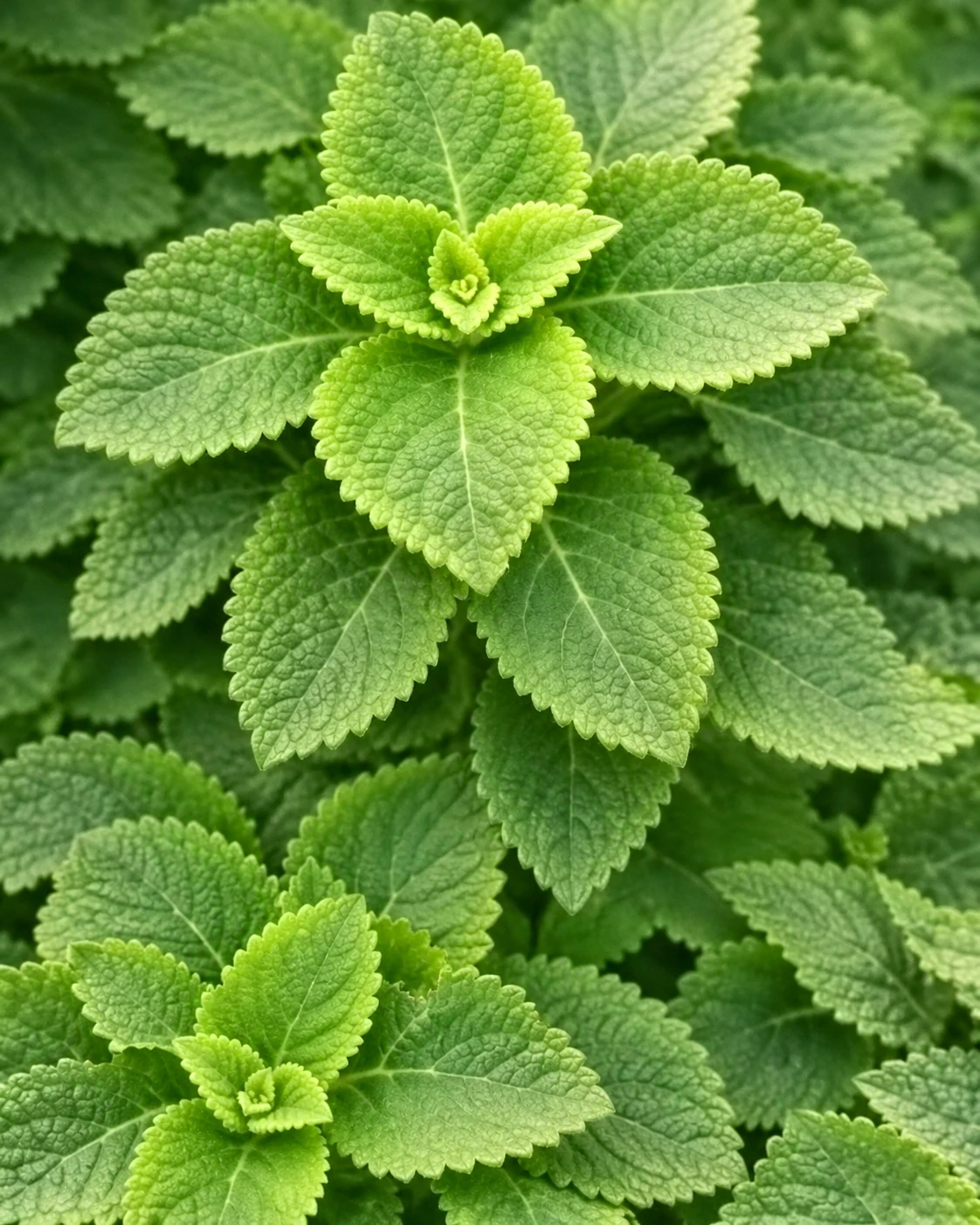
Introduction
Oregano is one of the most familiar herbs in the kitchen, but behind its strong aroma and slightly peppery flavor is a surprisingly complex collection of natural plant compounds. Fresh and dried oregano contain substances such as carvacrol, thymol, rosmarinic acid, flavonoids, and other polyphenols that have attracted significant scientific interest.
For centuries, oregano has also been used in traditional herbal practices for complaints involving digestion, coughs, colds, and respiratory discomfort. Modern laboratory studies have found antioxidant, antimicrobial, antifungal, and other biological activities in oregano extracts and essential oils.
That sounds impressive—but it does not mean that eating one oregano leaf every day will cure asthma, bronchitis, anxiety, insomnia, rheumatic pain, diarrhea, vomiting, or the many other conditions sometimes listed in viral health posts.
That claim goes far beyond the available evidence.
The important distinction is between a plant having interesting compounds and that plant being clinically proven to treat a disease in humans.
According to the National Library of Medicine, oregano and oregano oil have shown several potentially interesting biological effects in laboratory and experimental research, but those effects have not been established as treatments in humans, and oregano extracts are not approved therapies for medical conditions.
So oregano deserves attention—but for the right reasons.
This guide looks at what oregano actually contains, what researchers have discovered, what remains unproven, how oregano can be used safely, and why concentrated oregano oil is very different from sprinkling dried oregano on dinner.
Oregano at a Glance
| Detail | Information |
|---|---|
| Common Name | Oregano |
| Botanical Name | Origanum vulgare |
| Plant Family | Mint family / Lamiaceae |
| Common Uses | Seasoning, tea, traditional herbal preparations |
| Well-Known Compounds | Carvacrol, thymol, rosmarinic acid, flavonoids |
| Laboratory Findings | Antioxidant and antimicrobial activity |
| Proven to Cure Asthma? | No |
| Proven to Cure Bronchitis? | No |
| Proven to Treat Anxiety or Insomnia? | No established evidence |
| Best Everyday Use | Culinary herb |
| Oregano Oil Same as Leaves? | No—much more concentrated |
The Viral Claim: Can One Oregano Leaf a Day Cure Multiple Diseases?
The short answer is no.
There is no reliable clinical evidence showing that eating exactly one oregano leaf every day will eliminate conditions such as:
- Bronchitis
- Asthma
- Anxiety
- Insomnia
- Rheumatic pain
- Muscle pain
- Indigestion
- Vomiting
- Diarrhea
These conditions have very different causes.
Asthma affects the airways.
Anxiety involves psychological and neurological factors.
Diarrhea may come from infection, medications, food intolerance, or digestive disease.
Joint pain may result from injury, arthritis, autoimmune disease, or many other causes.
It would require extraordinary clinical evidence to show that one tiny dose of the same herb reliably treats all of them.
That evidence does not exist.
What the Viral Image Gets Right
The image is not completely disconnected from reality.
Oregano really does contain biologically active substances.
It has a long history of traditional use.
Researchers really have studied oregano for antimicrobial and antioxidant properties.
The problem comes when those observations are turned into a claim of guaranteed treatment.
Traditional use is not the same as clinical proof.
Laboratory activity is not the same as a cure.
And a concentrated essential oil study cannot automatically be applied to one fresh leaf eaten with food.
What Makes Oregano Interesting?
Oregano contains dozens of identified chemical constituents.
Among the most discussed are:
- Carvacrol
- Thymol
- Rosmarinic acid
- p-Cymene
- Gamma-terpinene
- Flavonoids
- Other polyphenols
The National Library of Medicine notes that carvacrol and thymol are considered important biologically active constituents of oregano oil.
These compounds help explain oregano’s strong aroma and some of the biological effects researchers observe in laboratory experiments.
What Is Carvacrol?
Carvacrol is one of oregano’s best-known aromatic compounds.
It belongs to a group of plant chemicals called phenolic monoterpenes.
Researchers have studied it because it can interact with microorganisms under laboratory conditions.
It is one reason oregano essential oil has received so much attention in antimicrobial research.
But there is an important limitation.
The concentration used in laboratory experiments can be very different from what someone receives from eating a few oregano leaves.
That is why laboratory results cannot simply be converted into claims such as “oregano cures infection.”
What Is Thymol?
Thymol is another aromatic compound found in oregano and related herbs such as thyme.
Like carvacrol, it has been studied for antimicrobial and antioxidant activity.
These compounds may act together with many other plant chemicals in oregano.
But once again, the presence of an active chemical does not automatically make the whole herb a medical treatment.
Rosmarinic Acid and Oregano
Oregano also contains rosmarinic acid.
This polyphenol appears in several plants from the mint family.
Researchers are interested in it because of its antioxidant properties.
However, research on herbs such as oregano in humans remains much thinner than the amount of laboratory and animal research available. A systematic review of herb and spice intake biomarkers noted that more human intervention research on oregano is needed.
1. Oregano Contains Antioxidants
One of oregano’s most credible nutritional features is its content of antioxidant plant compounds.
Antioxidants are molecules that can interact with reactive molecules generated during normal metabolism and exposure to environmental stressors.
Oregano’s polyphenols have demonstrated antioxidant activity in experimental settings.
That is useful information.
But it should not be transformed into a promise that eating oregano will prevent or cure cancer, heart disease, or other chronic illnesses.
The body is much more complicated than a laboratory antioxidant test.
2. Oregano Has Antibacterial Activity in the Laboratory
This is one of the reasons oregano appears so often in natural-remedy discussions.
Oregano extracts and essential oils have demonstrated antimicrobial activity in experimental settings, and carvacrol and thymol are thought to play important roles.
That does not mean oregano can replace antibiotics.
A compound that damages bacteria in a laboratory dish must still answer many questions before becoming a treatment:
- Can it reach the infection in the human body?
- What dose is required?
- Is that dose safe?
- How quickly is it metabolized?
- Does it interact with medications?
- Is it more effective than existing treatments?
Those questions require human clinical studies.
3. Oregano Has Been Studied for Antifungal Effects
Oregano has also been investigated for activity against fungi.
Again, much of the interest comes from concentrated extracts or essential oils rather than ordinary culinary use.
This research is promising enough to study further.
It is not strong enough to justify replacing proven antifungal medicine with oregano oil.
4. Oregano and Respiratory Health
Oregano has a long history of traditional use for respiratory complaints.
Traditional uses have included:
- Cough
- Colds
- Bronchitis-like symptoms
- Respiratory discomfort
The National Library of Medicine documents these historical uses.
But traditional use does not prove that oregano cures respiratory disease.
A warm oregano tea may feel soothing.
Its aroma may be pleasant.
That is very different from treating the actual cause of bronchitis or asthma.
5. Can Oregano Treat Asthma?
There is no good evidence that oregano should be used as an asthma treatment.
Asthma is a chronic disease in which airways can become inflamed and narrowed.
Symptoms may include:
- Wheezing
- Cough
- Chest tightness
- Shortness of breath
The National Center for Complementary and Integrative Health says evidence does not support replacing established asthma treatment with complementary approaches. It also notes that dietary supplements studied for asthma have not clearly been shown to be beneficial.
Therefore:
Oregano should never replace a prescribed inhaler or asthma treatment plan.
6. Can Oregano Cure Bronchitis?
There is no established evidence that oregano leaf cures bronchitis.
Bronchitis simply means inflammation of the bronchial tubes, and it can occur for different reasons.
Some cases are associated with viral infections.
Chronic bronchitis can be related to chronic lung disease.
Treatment depends on the cause and severity.
Oregano’s history as a respiratory herb does not prove that it eliminates bronchitis.
7. Can Oregano Help a Cough?
A warm herbal drink may soothe the throat and provide comfort.
Oregano tea can be used in that sense if you enjoy it.
But persistent cough can have many causes:
- Viral illness
- Asthma
- Allergies
- Acid reflux
- Medication effects
- Pneumonia
- Chronic lung disease
A persistent or worsening cough should not automatically be treated as something that oregano can fix.
8. Oregano and Anxiety
Viral posts sometimes claim oregano can make anxiety disappear.
There is not enough high-quality human clinical evidence to support that conclusion.
Anxiety can involve:
- Stress
- Genetics
- Hormones
- Trauma
- Sleep problems
- Medical conditions
- Medication or substance effects
A pleasant herbal tea may feel relaxing as part of a calming routine.
That is not the same as oregano being an evidence-based anxiety treatment.
9. Oregano and Insomnia
The same caution applies to insomnia.
No reliable evidence shows that one oregano leaf before bed or during the day reliably treats insomnia.
Sleep difficulties can be related to:
- Stress
- Anxiety
- Caffeine
- Sleep apnea
- Chronic pain
- Shift work
- Medications
- Irregular sleep schedules
If a warm oregano tea helps someone relax, that may be useful as a bedtime ritual.
It should not be presented as a guaranteed cure.
10. Oregano and Digestion
Oregano has traditionally been used for digestive complaints.
Its strong aromatic compounds are one reason herbs like oregano have historically appeared in digestive preparations.
However, evidence for using oregano as a treatment for digestive disease remains limited.
And concentrated oregano products can themselves cause gastrointestinal problems.
At higher doses, reported side effects of oregano oil can include:
- Abdominal discomfort
- Heartburn
- Nausea
- Vomiting
- Constipation
- Diarrhea
That is a good reminder that “natural” does not automatically mean harmless.
11. Does Oregano Stop Diarrhea?
There is no scientifically established oregano dose that reliably stops diarrhea.
Diarrhea can occur because of:
- Viral infection
- Food poisoning
- Medication
- Food intolerance
- Irritable bowel syndrome
- Inflammatory bowel disease
- Other illnesses
In addition, high-dose oregano products can themselves cause diarrhea.
So using increasingly large doses of oregano when you have diarrhea may actually make digestive symptoms worse.
12. Does Oregano Stop Vomiting?
There is no strong evidence supporting oregano as a treatment for vomiting.
Vomiting may occur because of:
- Gastroenteritis
- Food poisoning
- Migraine
- Pregnancy
- Medication
- Serious abdominal illness
Repeated vomiting can lead to dehydration.
If a person cannot keep fluids down, has blood in vomit, severe pain, confusion, or significant weakness, medical evaluation is more important than experimenting with herbs.
13. Oregano and Muscle Pain
Oregano contains compounds that researchers continue to investigate for biological effects related to oxidative stress and inflammation.
That does not prove that oregano treats muscle injuries or chronic muscle pain.
Muscle pain may come from:
- Exercise
- Strain
- Viral illness
- Medication
- Nerve problems
- Electrolyte imbalance
Persistent unexplained muscle pain deserves proper evaluation.
14. Oregano and Rheumatic or Joint Pain
The same principle applies to joint pain.
“Rheumatism” is an older broad term that can refer to many musculoskeletal complaints.
Today, joint pain may represent:
- Osteoarthritis
- Rheumatoid arthritis
- Gout
- Tendon problems
- Injury
- Autoimmune disease
There is not enough evidence to claim oregano cures these conditions.
15. Oregano and Inflammation
You may see oregano described as “anti-inflammatory.”
This statement needs context.
Some oregano compounds have shown biological effects associated with inflammatory pathways in experimental research.
That makes them scientifically interesting.
It does not mean eating oregano has been proven to treat inflammatory diseases in humans.
A more accurate statement is:
Oregano contains compounds that are being studied for potential antioxidant and inflammation-related biological effects.
What Oregano Can Actually Do vs. Viral Claims
| Viral Claim | What the Evidence Supports |
|---|---|
| One leaf cures asthma | Not supported |
| One leaf cures bronchitis | Not supported |
| Oregano cures anxiety | Not established |
| Oregano cures insomnia | Not established |
| Oregano cures rheumatic pain | Not established |
| Oregano stops vomiting | Not established |
| Oregano stops diarrhea | Not established |
| Oregano contains antioxidants | Supported |
| Oregano has lab antimicrobial activity | Supported |
| Oregano oil has antifungal activity in experiments | Supported |
| Oregano is a healthy culinary herb | Reasonable |
| Oregano can replace medication | No |
Fresh Oregano vs. Dried Oregano
Both are useful.
But their flavor and concentration are different.
Fresh Oregano
Fresh leaves have a greener and more aromatic flavor.
They work well in:
- Tomato salads
- Marinades
- Fresh sauces
- Roasted vegetables
- Chicken dishes
Dried Oregano
Dried oregano is stronger and more concentrated as a seasoning.
It works especially well in:
- Tomato sauces
- Pizza
- Soups
- Beans
- Roasted meats
- Stews
You generally need less dried oregano than fresh oregano for cooking.
Oregano Leaves vs. Oregano Oil
This distinction is extremely important.
They should not be treated as interchangeable products.
| Product | Concentration | Typical Use |
|---|---|---|
| Fresh leaves | Low | Food |
| Dried oregano | Moderate | Seasoning |
| Oregano tea | Mild infusion | Beverage |
| Extract | Concentrated | Supplement |
| Essential oil | Very concentrated | Specialized product |
A person can safely season a plate of vegetables with oregano without that telling us whether swallowing concentrated essential oil is appropriate.
Why Oregano Essential Oil Requires More Caution
Essential oils contain concentrated volatile compounds.
A small bottle can contain compounds at concentrations far beyond what someone would naturally consume in food.
This means the potential for side effects is also different.
Higher oregano-oil doses have been associated with digestive discomfort, heartburn, nausea, vomiting, constipation or diarrhea, dizziness, and headache.
More concentrated does not automatically mean more beneficial.
Can You Eat Fresh Oregano Every Day?
For most people, using fresh oregano as a normal culinary herb can be part of a varied diet.
There is no need to count exactly one leaf.
One leaf is not a scientifically established therapeutic dose.
Leaves vary in:
- Size
- Plant variety
- Growing conditions
- Chemical composition
Therefore, a claim based specifically on “one leaf” is not medically meaningful.
The Safest Everyday Way to Use Oregano
For most people, the simplest way to enjoy oregano is as food.
Add it to meals instead of treating it like medication.
Try it with:
- Tomatoes
- Potatoes
- Chicken
- Fish
- Beans
- Lentils
- Eggs
- Pasta
- Vegetables
- Olive oil
This lets oregano contribute flavor and plant compounds without relying on unproven medicinal claims.
Simple Fresh Oregano Tea
If you enjoy herbal beverages, you can make a mild oregano tea.
Ingredients
- 1 cup hot water
- A few fresh oregano leaves or about 1 teaspoon dried oregano
- Lemon, optional
- Honey, optional
Instructions
Place the oregano in a cup.
Pour hot water over it.
Let steep for approximately 5–10 minutes.
Strain.
Add lemon or a little honey if desired.
Enjoy it as a beverage.
Do not treat the tea as a substitute for asthma medication, antibiotics, or other necessary medical treatment.
Oregano, Lemon, and Honey Tea
For a warmer, more flavorful variation, use:
- Oregano infusion
- Fresh lemon
- Small spoonful of honey
A warm drink may soothe an irritated throat.
Honey may also make the drink more pleasant.
But “soothing symptoms” and “curing the illness” are not the same thing.
Garlic Oregano Marinade
Oregano is especially useful in savory cooking.
Combine:
- Olive oil
- Fresh oregano
- Garlic
- Lemon
- Black pepper
- Small amount of salt
Use the mixture for:
- Chicken
- Fish
- Potatoes
- Zucchini
- Peppers
This is a practical way to include oregano regularly without turning it into a supplement.
Oregano Roasted Potatoes
Combine potato chunks with:
- Olive oil
- Oregano
- Garlic
- Black pepper
- Salt
Roast until golden.
Oregano works particularly well with potatoes because its strong flavor remains noticeable after cooking.
Oregano Chicken
Season chicken with:
- Oregano
- Garlic
- Lemon
- Olive oil
- Black pepper
Bake or grill.
This simple combination is common in Mediterranean-style cooking.
Oregano with Beans and Lentils
Add oregano to:
- White beans
- Chickpeas
- Lentil soup
- Bean stew
Herbs can make high-fiber foods more flavorful without needing extremely heavy sauces.
Oregano in a Mediterranean-Style Diet
Oregano fits naturally into a dietary pattern that includes:
- Vegetables
- Beans
- Whole grains
- Fish
- Olive oil
- Nuts
- Herbs
This is a more realistic way to think about food and health.
One herb rarely determines whether a diet is healthy.
The overall pattern matters much more.
Why “One Miracle Ingredient” Is Usually the Wrong Idea
Nutrition research rarely shows that one food alone dramatically changes health.
Long-term health usually depends on many factors:
- Overall diet
- Physical activity
- Sleep
- Smoking
- Alcohol
- Stress
- Medical care
- Genetics
- Environment
Oregano can be one useful ingredient inside that larger picture.
It should not be expected to replace the entire picture.
Why Viral Health Posts Often Sound So Convincing
Statements such as:
“One leaf a day and you will never suffer from these diseases again”
are designed to create curiosity.
They work because they offer:
- An easy solution
- Low cost
- A natural ingredient
- A long list of benefits
- A dramatic promise
But the longer the list of unrelated diseases supposedly cured by one small ingredient, the more carefully the claim should be examined.
Five Warning Signs of an Exaggerated Herbal Claim
1. It Promises a Cure
Words such as:
- Cure
- Eliminate
- Never suffer again
should raise caution.
2. It Claims to Treat Many Unrelated Conditions
A herb that supposedly cures asthma, insomnia, diarrhea, anxiety, and arthritis all at once deserves strong skepticism.
3. There Is No Dose Information
“One leaf” is not a scientifically standardized dose.
4. Laboratory Research Is Presented as Human Proof
This is extremely common online.
Lab findings are an early research step, not the final answer.
5. It Encourages Replacing Medical Treatment
This can be dangerous.
For asthma in particular, NCCIH advises people not to substitute complementary approaches for proven medical care.
“Traditional Use” vs. “Clinically Proven”
These terms mean very different things.
Traditional Use
People have used the herb historically for a particular purpose.
That information can be interesting and valuable.
Laboratory Evidence
Researchers observe a biological effect in cells, bacteria, fungi, or chemical tests.
This can justify more research.
Animal Evidence
Researchers observe effects in animals.
Useful—but still not proof for humans.
Human Clinical Evidence
The treatment is tested in people.
This provides much stronger information about effectiveness and safety.
Many oregano health claims have not yet reached this final level with convincing evidence.
Could Oregano Research Lead to Future Treatments?
Possibly.
Plant compounds have contributed to medical discoveries throughout history.
Oregano’s active compounds are scientifically interesting, particularly because of their antimicrobial and antioxidant behavior.
Researchers may eventually identify specific applications.
But future possibility should not be presented as today’s proven cure.
Is “Natural” Automatically Better?
No.
“Natural” describes an origin.
It does not tell us:
- Whether something works
- Whether it is safe
- What dose is appropriate
- Whether it interacts with medicine
Some natural substances are harmless.
Others are extremely powerful.
The dose and method of use matter.
Oregano and Medication Interactions
A small culinary amount is very different from taking concentrated oregano supplements.
People using regular medications should be cautious about adding high-dose herbal supplements without professional advice.
This is particularly important when someone:
- Takes multiple medications
- Has chronic disease
- Is preparing for surgery
- Is pregnant or breastfeeding
A pharmacist is often a good person to ask about possible supplement–medicine interactions.
Who Should Be More Careful with Oregano Supplements?
Extra caution is reasonable for people who:
- Are pregnant
- Are breastfeeding
- Take regular prescription medication
- Have chronic digestive disease
- Have allergies to plants in the mint family
- Are planning surgery
- Have a complex medical condition
This caution is mainly about concentrated supplements and essential oils—not ordinary seasoning in food.
When a Cough Needs Medical Attention
Seek medical advice when a cough:
- Is severe
- Keeps getting worse
- Persists for an unusually long time
- Comes with breathing difficulty
- Comes with chest pain
- Produces blood
- Occurs with significant fever
Oregano should not delay assessment of serious respiratory symptoms.
When Asthma Symptoms Are Urgent
Asthma can become dangerous.
Urgent symptoms can include:
- Severe difficulty breathing
- Rapid worsening
- Difficulty speaking because of breathlessness
- Blue or gray lips
- Poor response to prescribed rescue medication
Complementary products are not substitutes for emergency asthma care.
When Diarrhea Needs Medical Attention
Seek medical advice if diarrhea is:
- Severe
- Persistent
- Bloody
- Associated with significant fever
- Causing dehydration
- Accompanied by severe abdominal pain
Children, older adults, and medically vulnerable people may become dehydrated more quickly.
When Vomiting Needs Medical Attention
Concerning signs include:
- Repeated vomiting
- Inability to keep fluids down
- Blood in vomit
- Severe abdominal pain
- Confusion
- Significant dehydration
In these situations, oregano tea is not an appropriate substitute for care.
Practical Ways to Use Oregano Every Week
Try oregano in:
- Roasted potatoes
- Tomato salad
- Chicken marinade
- Homemade pizza
- Lentil soup
- Bean stew
- Pasta sauce
- Scrambled eggs
- Roasted zucchini
- Fish marinades
- Homemade salad dressing
- Garlic bread
This is a much more realistic way to benefit from oregano as a nutritious culinary herb.
Common Myths About Oregano
Myth: One Leaf Every Day Prevents Bronchitis
There is no reliable evidence supporting this claim.
Myth: Oregano Can Replace an Asthma Inhaler
False.
Asthma requires appropriate medical management.
Myth: Oregano Oil Is a Natural Antibiotic Replacement
Not established.
Laboratory antibacterial activity does not mean it can safely replace prescribed antibiotics.
Myth: Oregano Stops Every Type of Diarrhea
False.
Diarrhea has many different causes.
Myth: Oregano Oil Cannot Harm You Because It Is Natural
False.
High doses can cause gastrointestinal and other side effects.
Myth: More Oregano Means More Benefit
Not necessarily.
Higher concentration can mean more side effects rather than more benefit.
Frequently Asked Questions
Is oregano good for you?
Oregano is a flavorful culinary herb containing a variety of plant compounds, including carvacrol, thymol, and polyphenols.
Does oregano contain antioxidants?
Yes.
Oregano contains compounds with antioxidant activity.
Is oregano antibacterial?
Oregano extracts and essential oils have demonstrated antibacterial activity in experimental research.
That does not mean culinary oregano replaces antibiotics.
Is oregano antifungal?
Experimental research has found antifungal activity from oregano preparations.
Clinical usefulness in humans still requires much stronger evidence.
Can one oregano leaf cure asthma?
No evidence establishes one oregano leaf as an asthma treatment.
Can oregano replace an inhaler?
No.
People with asthma should follow established treatment recommendations.
Can oregano cure bronchitis?
There is no good evidence that oregano cures bronchitis.
Can oregano help a cough?
A warm oregano beverage may feel soothing, but oregano is not a proven treatment for every cause of cough.
Does oregano help anxiety?
There is insufficient evidence to recommend oregano as an anxiety treatment.
Does oregano help insomnia?
There is no strong clinical evidence that oregano treats insomnia.
Does oregano relieve arthritis?
Oregano has not been proven to treat arthritis.
Does oregano relieve muscle pain?
There is not enough clinical evidence to use oregano as a treatment for persistent muscle pain.
Is oregano good for digestion?
It has traditional digestive uses, but concentrated oregano products may also produce digestive side effects.
Can oregano stop diarrhea?
It is not an established diarrhea treatment.
Can oregano cause diarrhea?
High-dose oregano products may cause diarrhea in some people.
Can oregano stop vomiting?
It is not an established treatment for vomiting.
Can oregano oil cause nausea?
Yes.
Nausea and vomiting have been reported among possible side effects at higher doses.
Can I eat fresh oregano?
Yes.
Fresh oregano is commonly used as a culinary herb.
Can I eat oregano every day?
Normal culinary use can fit into a varied diet.
There is no need to follow a “one leaf every day” rule.
Is fresh oregano better than dried?
They serve different culinary purposes.
Fresh oregano is brighter.
Dried oregano has a stronger concentrated flavor.
Is oregano oil the same as oregano leaves?
No.
Essential oil is much more concentrated.
Can I drink oregano tea?
A mild tea can be enjoyed as a beverage if you tolerate it.
How do I make oregano tea?
Steep a few fresh leaves or about a teaspoon of dried oregano in hot water for 5–10 minutes, then strain.
Can I add lemon?
Yes.
Can I add honey?
Yes.
A small amount can improve the flavor.
Is oregano tea medicine?
It should be viewed mainly as an herbal beverage, not a proven treatment for serious disease.
Can oregano replace antibiotics?
No.
Can oregano prevent every infection?
No.
Why is oregano studied so much?
Because it contains biologically active compounds such as carvacrol and thymol that show interesting effects in experimental research.
Why doesn’t laboratory evidence prove it works in people?
The human body absorbs, metabolizes, distributes, and eliminates substances in ways that a laboratory dish cannot reproduce.
Is oregano safe as a seasoning?
Culinary oregano is widely used in food.
Concentrated supplements require more caution.
Can oregano supplements have side effects?
Yes.
Higher oregano oil doses may cause digestive discomfort, heartburn, nausea, vomiting, constipation or diarrhea, dizziness, and headache.
Should I take oregano oil every day?
There is no universal evidence-based recommendation that everyone should take oregano oil every day.
Does more oregano oil work better?
Not necessarily.
Increasing the dose may simply increase adverse effects.
Can children take oregano oil?
Concentrated products should not be given casually to children without appropriate professional guidance.
Can pregnant women take oregano supplements?
Pregnancy is a good reason to speak with a healthcare professional before using concentrated herbal supplements.
What is the healthiest way to use oregano?
For most people, using it regularly as a seasoning in nutritious meals is the simplest approach.
Final Thoughts
Oregano deserves its reputation as an interesting and valuable herb—but not because one leaf can magically erase a long list of diseases.
The real story is more interesting than the viral claim.
Oregano contains compounds such as carvacrol, thymol, rosmarinic acid, flavonoids, and other polyphenols. Researchers have observed antioxidant, antimicrobial, antifungal, and other biological activities in experimental studies.
Those findings help explain why oregano has attracted so much scientific attention and why it has such a long history in traditional herbal practices.
But much of the strongest-looking evidence comes from laboratory research, concentrated extracts, essential oils, or experimental models—not from people eating one oregano leaf every morning.
That distinction matters.
There is currently no reliable evidence showing that one oregano leaf cures asthma, bronchitis, anxiety, insomnia, rheumatic pain, vomiting, diarrhea, and all the other conditions commonly listed in viral posts.
And oregano should never be used to replace important medical treatments, particularly for potentially serious conditions such as asthma.
The best way to appreciate oregano is therefore not as a miracle cure, but as a flavorful Mediterranean herb containing genuinely interesting natural compounds.
Use it on vegetables.
Add it to beans.
Season chicken with it.
Mix it into tomato dishes.
Make a mild tea if you enjoy the taste.
And remember that good health almost always comes from the bigger picture—diet, sleep, movement, medical care, and consistent habits—not from one magical leaf.