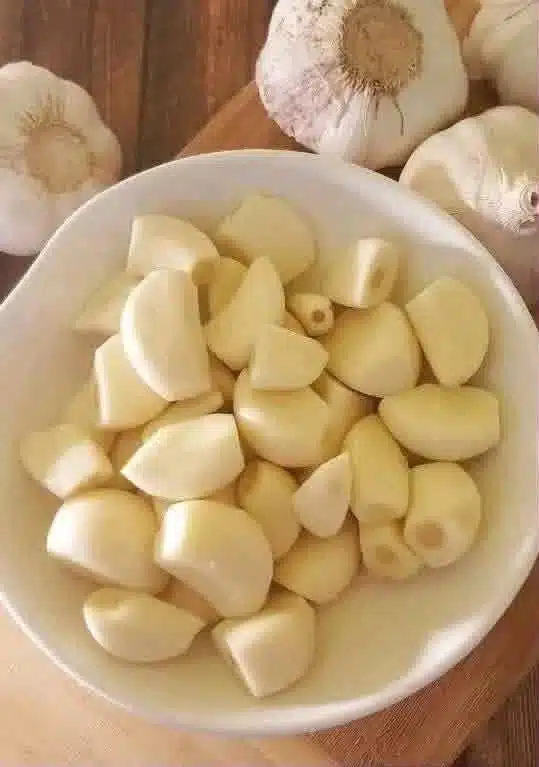
Garlic for intestinal parasites is one of the most popular natural-remedy topics shared online. Posts like the one in the image often claim that eating garlic can make “thousands of parasites” leave the body within a single day.
That dramatic claim is not supported by reliable human evidence. Garlic is a nutritious food containing sulfur compounds such as allicin, and researchers have investigated extracts of garlic for antimicrobial and antiparasitic activity. However, eating raw garlic or drinking a homemade garlic mixture has not been shown to reliably clear every type of intestinal parasite—or to make thousands of worms leave the body in 24 hours.
Different parasites require different diagnoses and treatments. Roundworms, pinworms, hookworms, Giardia, tapeworms, and other parasites are biologically different organisms, so there is no single kitchen ingredient proven to eliminate them all.
Garlic can still be enjoyed as part of a healthy diet, and this guide includes a simple food-style garlic, lemon, ginger, and honey mixture. But it should be considered a culinary wellness preparation—not a substitute for appropriate parasite testing or treatment.
Quick Overview
| Topic | Information |
|---|---|
| Main Topic | Garlic for Intestinal Parasites |
| Main Ingredient | Fresh Garlic |
| Scientific Name | Allium sativum |
| Does Garlic Kill All Parasites? | No |
| Proven 1-Day Parasite Cleanse? | No |
| Research Interest | Yes, mainly laboratory/animal studies and limited human data |
| Best Approach if Infection Is Suspected | Diagnosis + parasite-specific treatment |
| Homemade Recipe Included | Garlic, Ginger, Lemon & Honey Mixture |
| Prep Time | 10 minutes |
| Storage | Refrigerated |
| Main Use | Culinary/wellness food |
| Important Note | Not a replacement for antiparasitic medication |
What Are Intestinal Parasites?
“Intestinal parasites” is a broad term rather than one single illness.
Some are worms, known as helminths.
Others are microscopic protozoa.
Common examples include:
- Roundworms
- Pinworms
- Hookworms
- Whipworms
- Tapeworms
- Strongyloides
- Giardia
This matters because one treatment does not necessarily work against another parasite.
The World Health Organization identifies roundworm, whipworm, and hookworms among the major soil-transmitted helminths. These infections can cause abdominal symptoms, weakness, nutritional problems, and—in some cases—anemia or serious complications. Organisation mondiale de la santé
Can Garlic Really Remove Parasites?
Garlic has been studied for antiparasitic activity.
Some research suggests that compounds present in garlic can affect certain parasites under laboratory conditions.
However, results are mixed.
For example, a 2017 study examining dietary garlic in mice infected with an intestinal trematode found structural changes in the parasites but no significant reduction in worm recovery or fecundity compared with controls. PubMed
A systematic review of garlic and schistosomiasis also found interesting experimental results, but the studies were largely animal or laboratory research and the authors concluded that more comprehensive research was needed. PubMed
That means garlic is scientifically interesting.
It does not mean a bowl of cloves is a clinically established deworming treatment.
What About Human Studies?
There have been a few small human studies.
An older study involving children with Hymenolepis nana or Giardia reported promising results with garlic preparations. However, the study was small and does not establish garlic as a modern standard treatment for intestinal parasites. PubMed
Another older clinical study tested garlic infusion in children with Ascaris lumbricoides. Researchers reported little efficacy and specifically warned against accepting popular remedies without adequately conducted studies. PubMed
The evidence is therefore far more complicated than viral posts suggest.
Can Thousands of Parasites Come Out in One Day?
There is no reliable evidence that ordinary garlic causes “thousands of parasites” to leave the intestines within one day.
That kind of statement is a classic exaggerated health claim.
If someone actually passes visible worm-like material, the appropriate response is not to keep increasing garlic intake.
A healthcare professional can determine whether the material is really a parasite and, when appropriate, arrange laboratory testing.
Many intestinal substances—including mucus and undigested food fibers—can sometimes be mistaken for worms.
How Intestinal Parasites Are Actually Diagnosed
Testing depends on the suspected parasite.
The CDC notes that stool examinations can be used to identify many intestinal parasites, and multiple samples collected on different days may sometimes be needed because parasites or their eggs may not appear in every sample. CDC
For Giardia, stool samples and specific laboratory tests can confirm infection. CDC
Pinworm is different.
The CDC describes the tape test as the most common diagnostic method for pinworm infection, particularly when nighttime anal itching is present. CDC
This is another reason why a one-size-fits-all “parasite cleanse” makes little medical sense.
Symptoms That May Occur with Parasite Infections
Symptoms depend heavily on the organism and severity.
Possible signs can include:
- Diarrhea
- Abdominal discomfort
- Cramping
- Gas
- Nausea
- Unexplained weight loss
- Weakness
- Anal itching, particularly at night with pinworm
- Anemia with some worm infections
- Visible worms or segments in stool in certain infections
Some infected people have few or no symptoms.
And these symptoms can also be caused by many non-parasitic digestive conditions.
Testing can therefore be more useful than guessing based on symptoms alone.
How Intestinal Worms Are Treated
Treatment depends on the parasite.
For common soil-transmitted helminths, WHO lists medicines such as albendazole and mebendazole as effective treatments used in large-scale deworming programs. Organisation mondiale de la santé
Other infections require different medication.
For example, Strongyloides is biologically different from many common intestinal worms, and WHO notes that it requires different diagnostic approaches and is treated differently. Organisation mondiale de la santé
Pinworm can be treated with appropriate antiparasitic medication, together with hygiene measures; CDC notes that treatment generally uses two doses because medication kills worms but not their eggs. CDC
For Giardia, healthcare providers have several medication options, depending on symptoms and individual circumstances. CDC
Why Garlic Still Gets So Much Attention
Garlic contains sulfur-containing compounds including allicin and related molecules.
These compounds have been investigated for antimicrobial and other biological effects.
Garlic is therefore an interesting food from a nutritional and scientific perspective.
But a plant showing biological activity in a laboratory is different from demonstrating that eating it cures an infection in humans.
Dosage, absorption, parasite species, preparation method, and the concentration of active compounds can all change the result.
That distinction is often missing from social-media posts.
Raw Garlic vs. Garlic Extract
This is another important difference.
A laboratory may use:
- Concentrated extract
- Garlic oil
- Purified compounds
- Precisely measured concentrations
Eating one raw garlic clove is not equivalent.
Even research using concentrated garlic extracts cannot automatically be translated into a homemade dose.
A recent review of raw garlic consumption in humans noted possible health associations but also emphasized that available studies vary considerably and that larger, longer randomized trials are needed. PubMed
Homemade Garlic, Ginger, Lemon & Honey Mixture
If you enjoy garlic as a traditional food ingredient, this mixture is a practical way to use it.
It is not a parasite treatment.
Think of it as a strongly flavored homemade condiment or warm-drink mixture.
Ingredients
- 4 fresh garlic cloves
- 2 tablespoons freshly grated ginger
- 1/3 cup fresh lemon juice
- 1/2 cup honey
- 1/4 teaspoon cinnamon, optional
Step-by-Step Instructions
Step 1: Prepare the Garlic
Peel four fresh garlic cloves.
Finely grate or crush them.
Let the crushed garlic sit for several minutes while you prepare the remaining ingredients.
Step 2: Prepare the Ginger
Peel a small piece of fresh ginger.
Finely grate approximately two tablespoons.
Add it to a clean bowl.
Step 3: Add Fresh Lemon
Squeeze fresh lemons until you have approximately 1/3 cup juice.
Remove any seeds.
Pour the juice over the ginger and garlic.
Step 4: Add Honey
Add half a cup of honey.
Mix thoroughly.
The mixture should become loose enough to spoon easily.
Step 5: Add Cinnamon
If desired, add a small amount of cinnamon.
This softens the sharp garlic flavor and gives the mixture a warmer aroma.
Step 6: Refrigerate
Transfer everything to a clean glass jar.
Cover.
Store in the refrigerator.
For ordinary home preparation, make small batches rather than keeping raw garlic mixtures for long periods.
How to Use the Garlic Mixture
You can stir a small spoonful into warm water.
You can also use it in cooking.
It works surprisingly well as the base for:
- Chicken marinades
- Salad dressing
- Roasted vegetable glaze
- Ginger-garlic sauce
- Warm lemon drinks
Using garlic as food is very different from treating it as a powerful antiparasitic drug.
Garlic Lemon Warm Drink
For a milder preparation, combine:
- 1 cup warm water
- 1 teaspoon garlic-ginger mixture
- Extra lemon juice
Stir thoroughly.
If the garlic flavor is too strong, use more water.
Do not force yourself to consume highly concentrated raw garlic because you believe stronger automatically means healthier.
Does Garlic “Clean the Gut”?
The phrase “clean the gut” can be misleading.
Your intestines normally contain food, digestive secretions, microbes, mucus, and waste.
They do not require routine parasite cleanses in people who do not have a diagnosed infection.
If a true parasite is present, the goal is to identify it and treat that particular infection.
A garlic drink cannot reliably distinguish a parasite from the normal organisms and material living inside the digestive tract.
Should Everyone Deworm Themselves Regularly?
Not necessarily.
Public-health deworming programs are used in regions where certain worm infections are common, particularly among high-risk populations. WHO bases these programs on local prevalence and uses proven anthelmintic medicines. Organisation mondiale de la santé
That is different from randomly taking herbs or medication because of a social-media post.
Personal treatment decisions depend on location, exposure, symptoms, age, pregnancy status, medical history, and the suspected organism.
How Parasite Infections Can Be Prevented
Prevention depends on the parasite, but several habits are useful.
Wash hands thoroughly after using the bathroom and before preparing food.
Wash produce carefully.
Use safe drinking water.
Cook food appropriately.
Avoid contamination from human feces.
In regions where hookworm transmission occurs, footwear can reduce exposure because certain larvae can penetrate skin. WHO identifies sanitation, hygiene education, and appropriate deworming as major components of prevention and control. Organisation mondiale de la santé
Pinworm Prevention
Pinworm spreads easily in households.
The CDC emphasizes frequent handwashing and hygiene, especially after using the toilet, changing diapers, handling contaminated bedding, and before preparing food. CDC
Laundry and household hygiene matter because pinworm eggs can contribute to reinfection.
Garlic does not replace these measures.
Giardia Prevention
Giardia can spread through contaminated food, water, objects, surfaces, and person-to-person contact.
If someone has ongoing diarrhea or other symptoms suggestive of giardiasis, stool testing can help identify whether Giardia is actually responsible. CDC
Maintaining hydration is also important when diarrhea occurs. CDC
When You Should Seek Medical Care
Seek professional medical advice when digestive symptoms are severe or persistent.
Particularly important warning signs include:
- Blood in stool
- Severe abdominal pain
- Persistent diarrhea
- Significant dehydration
- Repeated vomiting
- Unexplained weight loss
- Severe weakness
- Signs of anemia
- Fever with significant gastrointestinal symptoms
- Visible worms or repeated suspicious material in stool
- Symptoms in a young child
- Symptoms during pregnancy
- Symptoms in someone with a weakened immune system
Some parasite infections can become serious, especially in vulnerable individuals.
Can Too Much Raw Garlic Cause Problems?
Yes.
Food amounts of garlic are generally well tolerated, but larger amounts may cause:
- Heartburn
- Nausea
- Gas
- Abdominal discomfort
- Strong breath
- Body odor
Garlic may also affect platelet function and can be relevant for people taking anticoagulant medication. Allergic reactions have also been reported. PubMed
Using huge quantities because a viral post promises a “cleanse” is therefore unnecessary.
Who Should Be Extra Careful with Concentrated Garlic?
Extra caution is sensible for people who:
- Take anticoagulant or antiplatelet medication
- Have bleeding disorders
- Are preparing for surgery
- Have severe acid reflux
- Have a known garlic allergy
- Experience strong gastrointestinal reactions to raw garlic
Food use and high-dose supplements are not the same thing.
If you take prescription medication and plan to use concentrated garlic regularly, discuss it with a healthcare professional or pharmacist.
Common Myths About Garlic and Parasites
“Garlic kills every parasite.”
False.
Different parasites respond to different treatments.
“Thousands of worms will leave after one day.”
There is no reliable evidence supporting this claim.
“If I feel bloated, I probably have parasites.”
Not necessarily.
Bloating has many causes.
“Seeing strings in stool proves worms.”
Not always.
Food fiber and mucus may sometimes resemble worms.
“More garlic means faster treatment.”
No.
Increasing the amount may simply cause more stomach irritation.
“Natural remedies cannot cause side effects.”
Natural substances can still cause adverse effects and drug interactions.
Garlic as Part of a Healthy Diet
None of this means garlic should be avoided.
Garlic is a flavorful ingredient that can reduce the need for excessive salt or heavy sauces in many recipes.
Try it in:
- Soups
- Tomato sauces
- Roasted vegetables
- Chicken dishes
- Fish
- Bean dishes
- Salad dressings
- Hummus
- Marinades
That is a reliable, practical way to benefit from garlic as food without depending on exaggerated health promises.
Frequently Asked Questions
Does raw garlic kill intestinal worms?
Garlic has shown antiparasitic activity in some experimental studies, but raw garlic is not established as a reliable treatment for intestinal worms in humans.
Can garlic remove parasites in 24 hours?
There is no good evidence that eating garlic clears a parasitic infection in 24 hours.
Can garlic remove thousands of worms?
That viral claim is not supported by reliable evidence.
Has garlic ever been tested against parasites?
Yes. Garlic has been studied in laboratory, animal, and some small human studies, with mixed results. PubMed
Does garlic kill roundworms?
An older human study testing garlic for ascariasis found little efficacy. PubMed
Does garlic treat Giardia?
There is limited older research, but CDC guidance centers on diagnosis and appropriate medical management rather than garlic as a standard treatment. PubMed
How do doctors test for intestinal parasites?
Testing may involve stool samples, blood tests, imaging, or parasite-specific procedures depending on the suspected infection. CDC
How is pinworm diagnosed?
A tape test is commonly used. CDC
Can I see parasites in my stool?
Some worms or segments can sometimes be visible, but not all parasites can be seen without laboratory testing.
Do all parasite infections cause symptoms?
No.
Some infections may initially produce few or no noticeable symptoms.
What medicine kills intestinal worms?
The correct medication depends on the parasite. WHO uses drugs including albendazole and mebendazole for common soil-transmitted helminths. Organisation mondiale de la santé
Can I replace medicine with garlic?
Garlic should not be used as a substitute for appropriate antiparasitic treatment when an infection is diagnosed.
Can children eat garlic?
Garlic is commonly used as food, but suspected parasite infections in children deserve proper diagnosis and age-appropriate treatment.
Can pregnant women use garlic?
Normal culinary garlic is different from large medicinal doses or supplements. Pregnancy is a good reason to discuss concentrated preparations with a healthcare professional.
Does garlic detox the intestines?
There is no established need for a routine garlic “intestinal detox.”
Does garlic clean the colon?
Not in the way viral cleanse claims suggest.
Can I take garlic every day?
Garlic is commonly eaten regularly as food. Very large raw amounts or concentrated supplements may cause side effects in some people.
Can garlic cause heartburn?
Yes.
Raw garlic can worsen reflux or stomach irritation in susceptible people.
Can garlic interact with medications?
Yes, particularly with medicines affecting blood clotting. PubMed
What should I do if I think I have parasites?
Seek appropriate testing rather than relying solely on symptoms or home remedies.
Final Thoughts
Garlic for intestinal parasites is a fascinating topic because garlic contains biologically active compounds and has genuinely been investigated in antiparasitic research.
But that science does not support the dramatic message shown in the viral image.
There is no established evidence that garlic makes thousands of parasites leave the body within one day.
Some experimental studies have shown interesting effects, some small studies have reported possible benefits, and other human research has found little effectiveness. PubMed
The safest takeaway is simple.
Enjoy garlic as a flavorful food. Use homemade garlic, ginger, lemon, and honey mixtures if you enjoy them. But when an intestinal parasite is suspected, proper identification matters because different organisms require different treatments.
Modern parasite testing and proven antiparasitic medications exist for a reason.
Garlic belongs in the kitchen—not in place of necessary medical care.