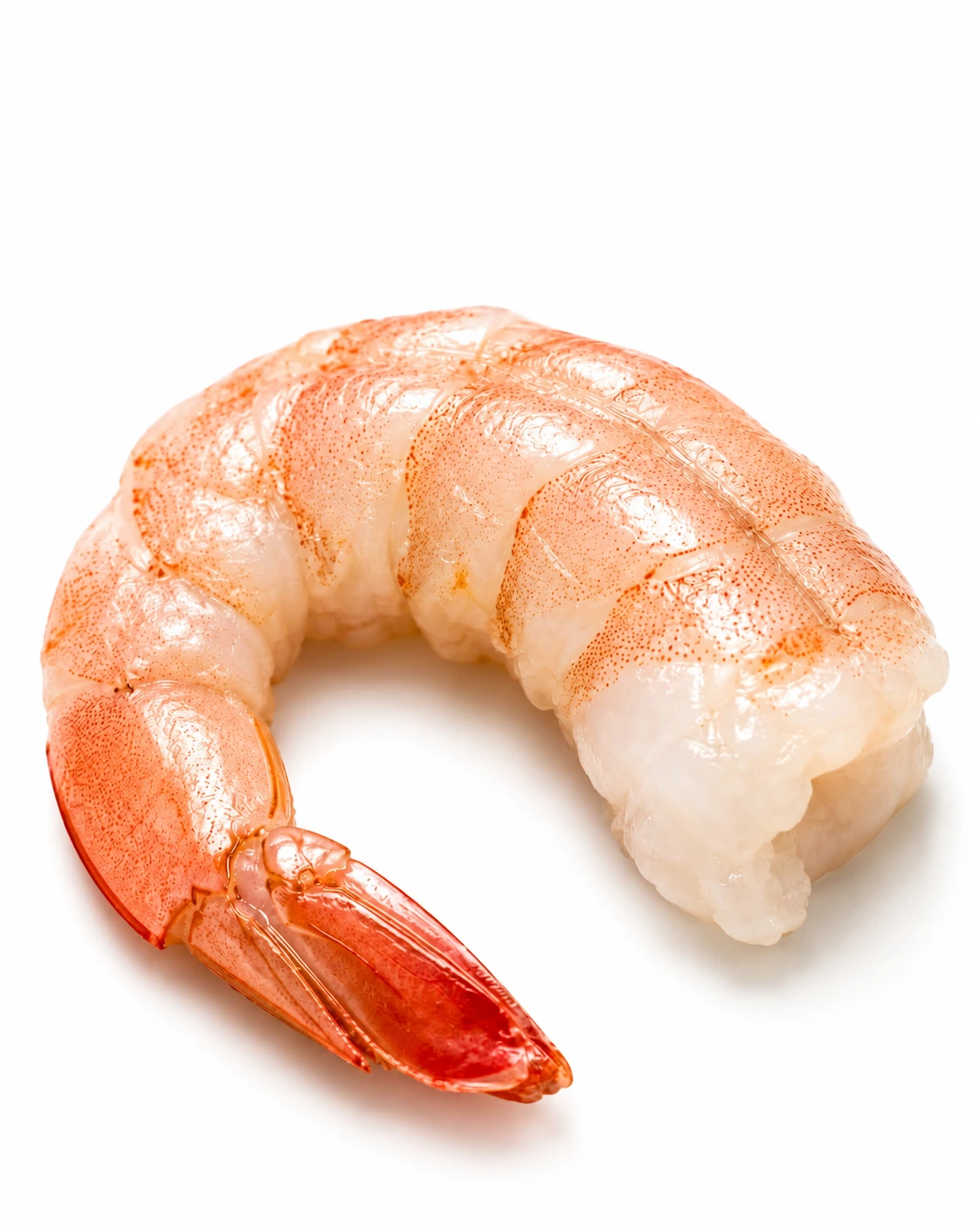
If you have ever peeled a shrimp and noticed a thin black or dark line running along its back, you may have wondered what it actually is and whether you should remove it before cooking.
It is commonly called the “shrimp vein,” but that name is not scientifically accurate. The dark line running along the upper back of a shrimp is actually part of its digestive tract, essentially the shrimp’s intestine.
Its dark appearance usually comes from whatever material was inside the digestive tract when the shrimp was harvested. Depending on the shrimp, the line may be black, brown, gray, greenish, or barely visible at all.
Removing it is known as deveining shrimp.
Despite the name, you are not actually removing a blood vessel.
For most properly handled and thoroughly cooked shrimp, leaving the digestive tract in place is generally more of a texture, appearance, and personal-preference issue than a reason to throw the shrimp away. However, larger shrimp can sometimes contain noticeable grit, which is why many cooks prefer to remove it.
This guide explains exactly what the black line is, why some shrimp have a darker line than others, whether it needs to be removed, how to devein shrimp quickly, and how to prepare shrimp for the best flavor and texture.
Quick Answer
| Question | Answer |
|---|---|
| What is the black line in shrimp? | The digestive tract |
| Is it really a vein? | No |
| What is removing it called? | Deveining |
| Is it always black? | No, it may be brown, gray, greenish, or nearly invisible |
| Do you have to remove it? | Not always, but many people prefer to |
| Why remove it? | Better appearance and less chance of gritty texture |
| Is it easier to remove from large shrimp? | Yes |
| Can shrimp be deveined with the shell on? | Yes |
| Should shrimp be cooked thoroughly? | Yes |
What Is the Black Line on the Back of Shrimp?
The dark line seen along the curved outer back of a shrimp is its digestive tract.
Shrimp eat tiny marine organisms, algae, plankton, plant material, and other foods depending on their species and environment.
As food travels through the shrimp’s digestive system, some material may remain inside the intestinal tract.
That is what can make the line look dark.
When people refer to this as the “vein,” they are using a traditional kitchen term rather than an anatomical one.
A better description would be the shrimp’s intestinal tract.
Why Do People Call It a Shrimp Vein?
The word “vein” became popular because the thin line resembles a vein running along the shrimp.
That is why recipes often include instructions such as:
“Peel and devein the shrimp.”
In cooking language, everyone understands what that means.
However, anatomically, the dark line is not a vein carrying blood.
It is part of the digestive system.
So when you devein shrimp, you are actually removing the intestinal tract.
Why Is the Line Sometimes Black?
Its color depends largely on what is inside the digestive tract.
It may contain tiny particles of food or sediment.
That can make it appear:
- Black
- Brown
- Dark gray
- Greenish
- Light gray
- Almost transparent
The appearance varies from one shrimp to another.
Some shrimp have a very noticeable dark line while others appear almost completely clean even before deveining.
Why Do Some Shrimp Have No Visible Black Line?
There are several possible reasons.
The intestinal tract may simply be empty.
The shrimp may have been commercially cleaned before packaging.
The material inside may be light-colored.
Or the digestive tract may be too small to notice easily.
Small shrimp especially may have such a fine intestinal tract that removing it individually is unnecessary for many recipes.
Is the Black Line Shrimp Poop?
In casual terms, people sometimes describe it that way because it is part of the digestive tract and may contain digestive material.
A more accurate description is that it is the intestinal tract and whatever digestive contents may be inside it.
That is why the appearance can vary so much.
It is also why larger shrimp sometimes taste or feel slightly gritty if the tract is left intact.
Is the Black Line Dangerous?
The black line itself is not automatically a sign that the shrimp is spoiled.
It is a normal anatomical feature.
What matters much more for food safety is how the shrimp has been:
- Stored
- Refrigerated
- Thawed
- Handled
- Cooked
Fresh raw shrimp should smell mild and ocean-like rather than strongly sour or ammonia-like.
If shrimp smells clearly spoiled, feels unusually slimy beyond its normal surface texture, or has been stored improperly, removing the digestive tract does not make spoiled shrimp safe.
Do You Have to Devein Shrimp?
No, not in every situation.
Whether you remove the digestive tract often depends on the shrimp’s size and how visible the line is.
With very small shrimp, many cooks do not bother.
With large shrimp, jumbo shrimp, or prawns, the tract is often much more noticeable.
Removing it usually improves:
- Appearance
- Texture
- Presentation
- Overall eating experience
For an elegant shrimp dish, deveining is usually worth the extra minute or two.
Why Large Shrimp Are Usually Deveined
The digestive tract grows along with the shrimp.
In larger shrimp, it can become noticeably thicker.
That increases the possibility of feeling a slightly sandy or gritty texture while eating.
Large shrimp are also more frequently served individually in dishes such as:
- Shrimp cocktail
- Garlic butter shrimp
- Grilled shrimp
- Shrimp scampi
- Fried shrimp
- Shrimp skewers
Because each shrimp is clearly visible, presentation matters more.
A black line running down the back can make otherwise beautiful shrimp look less appealing.
Is It Okay to Eat Shrimp Without Deveining It?
Many people do.
For small shrimp, the line may be so tiny that you would never notice it.
For larger shrimp, removing it is more common because of possible grit and appearance.
If you buy pre-cleaned shrimp at the supermarket, it may already be deveined.
Always check the packaging.
Common labels include:
Peeled and deveined
or
P&D shrimp
The Dark Line on Top vs. the Line Underneath
Shrimp can have visible lines on both sides, and they are not the same thing.
The Dark Line Along the Back
This is the digestive tract.
This is the line most recipes mean when they tell you to devein shrimp.
The Line Along the Underside
Shrimp also have structures running along the underside, including the ventral nerve cord.
This usually does not need to be removed during ordinary cooking preparation.
So when you see a recipe telling you to remove “the vein,” it almost always means the dark line on the curved outer back.
How to Devein Shrimp Step by Step
Deveining shrimp is simple once you know where to cut.
Step 1: Peel the Shrimp
Hold the shrimp firmly.
Remove the shell by pulling it away from the body.
You can leave the tail attached if you prefer the appearance.
For shrimp cocktail, fried shrimp, and grilled shrimp, leaving the tail on is common.
Step 2: Find the Dark Line
Look along the curved outer back.
You should see a dark line just beneath the surface.
In some shrimp it will be very obvious.
In others, it may be difficult to see.
Step 3: Make a Shallow Cut
Use a small paring knife.
Cut a shallow slit along the back of the shrimp.
Do not slice deeply through the shrimp.
You only need enough depth to expose the digestive tract.
Step 4: Lift Out the Line
Use the tip of the knife to gently lift the dark tract.
Grab it with your fingers or the knife tip.
Pull slowly.
It often comes out in one long piece.
Step 5: Rinse Briefly if Needed
If small bits remain, rinse the shrimp briefly under cold water.
Pat the shrimp dry afterward.
Dry shrimp brown much better in a skillet or on the grill.
How to Devein Shrimp Without Removing the Shell
You can also devein shell-on shrimp.
This is helpful when grilling or roasting because the shell can help protect the shrimp from drying.
Use kitchen scissors or a sharp knife to cut carefully along the back of the shell.
Open the shell slightly.
Lift out the digestive tract.
The shell can remain largely intact.
This gives you the flavor and moisture benefits of shell-on shrimp while still removing the dark tract.
The Toothpick Method
There is another technique that requires almost no cutting.
Insert a toothpick sideways under the digestive tract through a small gap between shell segments.
Lift gently.
The tract should rise above the surface.
Grab it and slowly pull it out.
This method works best when the tract is intact and clearly visible.
It can take a little practice.
Should You Wash Raw Shrimp?
You do not need to aggressively wash shrimp.
A brief rinse may be useful after peeling or deveining, but prolonged washing is unnecessary.
More importantly, avoid splashing raw seafood juices around the kitchen.
After handling raw shrimp:
Wash your hands thoroughly.
Clean knives and cutting boards.
Clean countertops that came into contact with raw seafood.
Then pat the shrimp dry before cooking.
How to Peel Shrimp Quickly
Start at the underside where the legs are attached.
Pull the legs away.
Then loosen the shell with your fingers.
Work around the body until the shell releases.
For tail-off shrimp, pinch near the final shell segment and gently pull.
For tail-on shrimp, stop peeling before the tail.
Leaving the tail creates a more attractive presentation and gives diners a convenient handle for appetizers.
Should You Buy Peeled or Shell-On Shrimp?
Both have advantages.
| Type | Best For |
|---|---|
| Peeled & Deveined | Quick weeknight meals |
| Shell-On | Grilling, roasting, maximum flavor |
| Tail-On | Appetizers and presentation |
| Tail-Off | Pasta, rice, soups, casseroles |
| Head-On | Seafood stocks and specialty preparations |
Peeled and deveined shrimp cost a little more because much of the prep work has already been done.
For busy home cooking, that convenience can be worth it.
Fresh vs. Frozen Shrimp
Frozen shrimp can be excellent.
In fact, unless you live very close to the coast, many shrimp displayed as “fresh” at seafood counters were previously frozen.
Buying frozen shrimp gives you more control over when they are thawed.
Look for packages with shrimp that are loose rather than frozen into a large block whenever possible.
Avoid bags with excessive ice crystals, which can sometimes indicate temperature fluctuations.
How to Thaw Frozen Shrimp Safely
The best method is refrigerator thawing.
Place the frozen shrimp in a covered container.
Refrigerate overnight.
For faster thawing, place shrimp in a sealed bag and submerge the bag in cold water, changing the water if necessary.
Avoid leaving shrimp sitting at room temperature for long periods.
Once thawed, cook promptly.
What Shrimp Size Is Best?
Shrimp sizing can sometimes be confusing because package terminology such as “large,” “jumbo,” and “extra large” is not completely standardized.
The count per pound is more useful.
| Approximate Count | General Size |
|---|---|
| 51–60 per lb | Small |
| 41–50 per lb | Medium |
| 31–40 per lb | Large |
| 21–25 per lb | Jumbo |
| 16–20 per lb | Extra Jumbo |
Larger shrimp are easier to devein individually.
They are also excellent for grilling, shrimp cocktail, and skewers.
How to Tell When Shrimp Is Cooked
One of the biggest shrimp mistakes is overcooking.
Properly cooked shrimp usually become opaque and form a loose C shape.
If they curl extremely tightly into an O shape, they may be overcooked.
Cooking time is short.
Depending on size, shrimp may need only a few minutes per side in a hot skillet.
That is why your sauce and other ingredients should usually be ready before the shrimp goes into the pan.
Why Overcooked Shrimp Become Rubbery
Shrimp proteins tighten rapidly as they heat.
Cooking them too long pushes out moisture and makes the texture firm and rubbery.
Unlike a tough roast, shrimp do not become more tender with extended cooking.
More heat usually makes them tougher.
That means shrimp should often be added toward the end of soups, pasta sauces, curries, and stir-fries.
Best Cooking Methods for Deveined Shrimp
Once cleaned, shrimp can be prepared in countless ways.
Garlic Butter Shrimp
Cook shrimp quickly in butter with garlic, lemon, parsley, and black pepper.
Serve with bread, pasta, or rice.
Grilled Shrimp
Marinate briefly with olive oil, garlic, lemon, paprika, and herbs.
Grill over high heat until opaque.
Shrimp Scampi
Cook shrimp with butter, garlic, lemon, white wine, and parsley.
Serve over pasta.
Fried Shrimp
Coat cleaned shrimp in seasoned breading and fry until crisp and golden.
Shrimp Tacos
Season with chili powder, cumin, paprika, and lime.
Cook quickly and serve in tortillas with slaw.
Shrimp Cocktail
Poach cleaned shrimp gently.
Chill.
Serve with cocktail sauce.
Easy Garlic Butter Shrimp Recipe
Once you have removed the black line, one of the easiest ways to cook shrimp is garlic butter.
Ingredients
- 1 pound peeled and deveined shrimp
- 3 tablespoons butter
- 4 garlic cloves, minced
- 1 tablespoon olive oil
- 1 tablespoon lemon juice
- 1/2 teaspoon smoked paprika
- Salt and black pepper
- 2 tablespoons chopped parsley
Instructions
Heat olive oil and one tablespoon butter in a large skillet over medium-high heat.
Add the shrimp in a single layer.
Cook briefly on one side.
Turn.
Add garlic and remaining butter.
Cook until the shrimp are opaque and just cooked through.
Finish with lemon juice, parsley, and black pepper.
Serve immediately.
Garlic Butter Shrimp Serving Ideas
| Side Dish | Why It Works |
|---|---|
| White Rice | Absorbs garlic butter |
| Pasta | Creates an easy shrimp dinner |
| Garlic Bread | Great for extra sauce |
| Roasted Potatoes | Hearty pairing |
| Green Beans | Fresh contrast |
| Broccoli | Easy vegetable side |
| Salad | Light option |
| Mashed Potatoes | Rich comfort-food pairing |
| Couscous | Quick and flavorful |
| Grilled Vegetables | Excellent summer side |
Common Shrimp Preparation Mistakes
| Mistake | What Happens | Better Method |
|---|---|---|
| Overcooking | Rubbery shrimp | Cook only until opaque |
| Deeply cutting while deveining | Shrimp splits | Make a shallow slit |
| Leaving gritty tract in large shrimp | Sandy texture possible | Devein when visible |
| Thawing at room temperature | Poor food handling | Thaw refrigerated or in cold water |
| Cooking wet shrimp | Poor browning | Pat dry |
| Overcrowding skillet | Shrimp steam | Cook in batches |
| Marinating too long in acid | Texture changes | Keep acidic marinades brief |
| Using spoiled shrimp | Unsafe food | Discard questionable seafood |
Is the Black Line the Reason Shrimp Tastes Fishy?
Usually not.
A strong unpleasant smell is more likely related to freshness, storage, or spoilage than the presence of the digestive tract.
Fresh shrimp should smell mild.
If there is a strong ammonia-like, sour, or rotten odor, do not assume deveining will fix the problem.
When seafood clearly smells spoiled, the safest choice is to discard it.
Can the Black Line Affect Flavor?
Usually the difference is subtle.
In small shrimp, you may not notice anything.
In larger shrimp, a full digestive tract may contribute slightly to:
- Grittiness
- Appearance
- Occasionally stronger flavor
That is why restaurants generally devein larger shrimp before serving them.
Why Restaurants Usually Devein Shrimp
Presentation is important.
A visible dark line inside a large pale shrimp can be visually distracting.
Deveining gives the shrimp a cleaner look.
It also removes the chance of a diner encountering a gritty digestive tract.
For small shrimp used in soups, salads, or fillings, the process may be less important.
Should You Devein Shrimp Before or After Cooking?
Before cooking is easier.
Raw shrimp are flexible, and the digestive tract is easier to identify and remove.
After cooking, the shrimp becomes firmer and the tract can be harder to pull out cleanly.
For recipes where presentation matters, clean the shrimp first.
Can You Devein Shrimp in Advance?
Yes.
Peel and devein the shrimp.
Pat dry.
Transfer to a covered container.
Keep refrigerated until cooking.
For best quality, prepare them reasonably close to when you plan to cook them rather than leaving cleaned raw shrimp stored for an extended period.
Frequently Asked Questions
What do you call the black line in shrimp?
It is commonly called the shrimp vein, but it is actually the shrimp’s digestive or intestinal tract.
Is the black line really a vein?
No.
The name “vein” is simply a cooking term.
Is the black line shrimp poop?
It is the intestinal tract and may contain digestive material, so that casual description is partly why people use it, though “digestive tract” is more accurate.
Do all shrimp have it?
All shrimp have a digestive system, but the tract is not always visibly dark.
Why is it sometimes black?
Its appearance depends on whatever material is inside the digestive tract.
Why is it sometimes green?
Digestive material can vary in color depending on what the shrimp has eaten.
Is it dangerous if I forget to remove it?
For properly handled and cooked shrimp, the issue is usually more about appearance and possible grit than the line itself automatically making the shrimp unsafe.
Should large shrimp be deveined?
It is generally a good idea because the tract is more noticeable.
Do small shrimp need to be deveined?
Many people do not bother because the tract is tiny.
Can I devein shrimp with the shell on?
Yes.
Can I use a toothpick?
Yes. The toothpick method can remove the tract without making a large cut.
Why do packaged shrimp say “P&D”?
It usually means peeled and deveined.
Can frozen shrimp already be deveined?
Yes. Many frozen products are sold peeled and deveined.
Should frozen shrimp be thawed before cooking?
It depends on the recipe, but thawing usually provides more even and predictable cooking.
How should shrimp be thawed?
In the refrigerator or quickly using cold water.
Can shrimp be cooked in the shell?
Absolutely. Shell-on shrimp can be especially flavorful.
Why does cooked shrimp turn pink?
Heat changes proteins and pigments in the shell and flesh, creating the familiar pink-orange appearance.
Why are my shrimp rubbery?
They were probably cooked too long.
Should shrimp be completely curled when cooked?
A loose C shape is usually a better indicator than an extremely tight curl.
Can I eat the shrimp tail?
The tail shell is technically edible when fried very crisp, but most people remove it.
Do restaurants always devein shrimp?
Large shrimp are commonly deveined, although practices vary.
How to Buy Better Shrimp
When shopping, consider three things:
Size: Choose based on your recipe.
Preparation: Decide whether you want shell-on, peeled, or peeled and deveined.
Frozen vs. thawed: Frozen shrimp can be extremely convenient and allows you to thaw only what you need.
For recipes where presentation is important, jumbo peeled-and-deveined shrimp can save considerable preparation time.
Best Uses for Different Shrimp Sizes
| Shrimp Size | Best Uses |
|---|---|
| Small | Soups, fried rice, salads |
| Medium | Pasta, curries, stir-fries |
| Large | Tacos, scampi, pasta |
| Jumbo | Grilling, skewers, shrimp cocktail |
| Extra Jumbo | Elegant appetizers, grilling |
Larger shrimp benefit most from careful deveining because the digestive tract is more noticeable.
Food Safety Tips for Preparing Shrimp
Keep raw shrimp refrigerated until you are ready to prepare it.
Use separate utensils or thoroughly clean anything that contacts raw seafood.
Wash your hands after handling raw shrimp.
Avoid leaving raw seafood at room temperature for extended periods.
Cook shrimp until the flesh is opaque and properly cooked through.
Refrigerate leftovers promptly.
These steps are much more important to seafood safety than simply whether the digestive tract has been removed.
Why This Simple Shrimp Question Matters
The black line on shrimp is a perfect example of a kitchen detail that many people notice but rarely understand.
Once you know what it is, the preparation becomes much less mysterious.
You do not need to panic when you see it.
You simply decide whether removing it makes sense for your recipe.
For tiny shrimp, it may not matter.
For jumbo shrimp served as the centerpiece of a dish, deveining usually improves both appearance and texture.
Final Thoughts
So, what is that black line running along the back of a shrimp?
The common kitchen answer is the vein.
The more accurate answer is the digestive tract or intestine.
That is why removing it is called deveining even though no actual vein is being removed.
Its dark color usually comes from digestive material inside the tract, and the line may be black, brown, gray, greenish, or barely noticeable depending on the shrimp.
You do not necessarily need to remove it from every tiny shrimp you cook.
But with large shrimp, deveining is usually worth the small amount of extra preparation because it gives the shrimp a cleaner appearance and reduces the possibility of a gritty bite.
Fortunately, removing it is simple.
Peel the shrimp.
Make a shallow cut along the back.
Lift out the dark tract.
Pat the shrimp dry.
Then cook it quickly so it stays tender rather than rubbery.
Once cleaned, shrimp can become garlic butter shrimp, scampi, grilled skewers, tacos, pasta, fried shrimp, shrimp cocktail, stir-fries, curries, and dozens of other quick meals.
The important thing to remember is simple:
That black line is normal—it is the shrimp’s digestive tract, not a mysterious vein or sign that the shrimp is automatically bad.