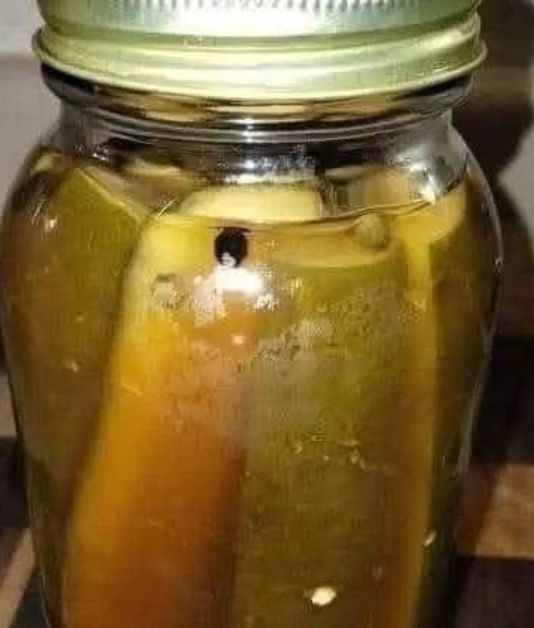
Pickles are one of the world’s most beloved condiments. Whether you’re enjoying them on a burger, snacking on them straight from the jar, or serving them alongside a sandwich, their tangy crunch never fails to brighten a meal. For centuries, pickling has been a way to preserve cucumbers and other vegetables, creating flavors that are both practical and delicious.
One of the most satisfying kitchen projects is making homemade pickles. With just a few simple ingredients — cucumbers, vinegar, water, salt, and spices — you can create a jar of pickles that tastes fresher, crisper, and more customizable than anything you’ll find in a store. Stored in a mason jar, they also carry a rustic charm that connects you to a long tradition of home preserving.
In this article, we’ll dive into everything you need to know about homemade pickles. From the history and cultural significance of pickling to recipes, variations, storage tips, and creative ways to enjoy them, this guide will help you master the art of turning cucumbers into tangy, crunchy delights.
The History of Pickling
Pickling is one of the oldest forms of food preservation, dating back more than 4,000 years. The process originated in India and Mesopotamia, where cucumbers were first preserved in brine. Ancient Egyptians, Greeks, and Romans also embraced pickles, valuing them both as a way to extend shelf life and as a source of flavor.
In Europe, pickling became an essential preservation method during the winter months, when fresh produce was scarce. Colonists carried the tradition to the Americas, where pickles became a staple of homestead kitchens. Today, from Polish dill pickles to Japanese tsukemono and Korean kimchi, cultures around the globe have their own unique take on pickling.
Ingredients for Homemade Pickles
While recipes vary, most pickle brines are built on a foundation of these ingredients:
Cucumbers: Pickling cucumbers are best because of their size and firm texture.
Vinegar: Distilled white vinegar, apple cider vinegar, or rice vinegar for acidity.
Water: Dilutes the vinegar for balance.
Salt: Non-iodized salt (such as kosher salt or pickling salt) prevents cloudiness.
Sugar: Optional, adds sweetness (especially in bread-and-butter pickles).
Spices: Dill seeds, mustard seeds, coriander seeds, peppercorns, garlic, or chili flakes.
Optional add-ins include onions, carrots, jalapeños, or herbs like fresh dill.
Step-by-Step Recipe for Classic Dill Pickles
Ingredients:
6–7 small pickling cucumbers, sliced into spears
2 cups water
2 cups white vinegar
2 tablespoons kosher salt
1 tablespoon sugar (optional)
4 garlic cloves, peeled
2 teaspoons mustard seeds
1 teaspoon black peppercorns
A handful of fresh dill sprigs
Instructions:
Sterilize the jars: Wash mason jars and lids in hot, soapy water, then rinse well.
Prepare the cucumbers: Wash thoroughly and cut into spears or slices.
Make the brine: In a pot, combine water, vinegar, salt, and sugar. Bring to a boil and stir until dissolved.
Pack the jars: Place cucumbers, garlic, dill, mustard seeds, and peppercorns into jars.
Pour in the brine: Fill jars with hot brine, leaving ½ inch of headspace at the top.
Seal the jars: Wipe rims clean, apply lids, and close tightly.
Cool and refrigerate: Allow jars to cool at room temperature, then refrigerate.
Pickles are ready to eat after 24 hours but taste best after 3–4 days.
Tips for Crunchy Pickles
Choose fresh cucumbers: The fresher, the crunchier.
Don’t skip the salt: Salt draws out moisture and enhances texture.
Keep them submerged: Ensure cucumbers stay under the brine to prevent spoilage.
Cool quickly: Refrigerate promptly after sealing to lock in crispness.
Add grape leaves: Some traditional recipes include grape leaves, which contain tannins that help maintain crunch.
Variations of Pickles
The beauty of pickling is how customizable it is. Here are some popular variations:
Bread-and-Butter Pickles: Sweeter pickles made with more sugar and onion slices.
Spicy Pickles: Add jalapeños, red pepper flakes, or chili peppers for heat.
Garlic Dill Pickles: Extra garlic for a bold, savory kick.
Sweet Gherkins: Small cucumbers pickled in a very sweet brine.
Fermented Pickles: Made without vinegar, using salt brine and natural fermentation for probiotics.
Health Benefits of Pickles
Pickles aren’t just delicious — they can also provide health benefits.
Hydration and electrolytes: Brine contains sodium and minerals.
Vitamin C: From cucumbers and added herbs like dill.
Probiotics: Fermented pickles support gut health.
Low calorie: A crunchy, guilt-free snack.
That said, pickles can be high in sodium, so moderation is key.
Serving Ideas
Pickles are incredibly versatile. Here are some ways to enjoy them:
On burgers and sandwiches for tangy contrast.
As a side to barbecue or fried chicken.
Chopped into potato salad, tuna salad, or egg salad.
Served with cheese and charcuterie boards.
As a snack straight from the jar.
Pickle juice can also be repurposed as a marinade, salad dressing base, or even as an addition to cocktails like Bloody Marys.
Storage and Shelf Life
Refrigerator pickles: Last 1–2 months when kept cold.
Fermented pickles: Can last several months if submerged in brine.
Canned pickles: If properly processed in a water bath, can last up to a year unopened.
Always discard pickles that smell off, have mold, or lose their crispness completely.
Cultural Connections
Pickles have a global presence:
Polish and Jewish delis: Famous for half-sour and kosher dill pickles.
Korean cuisine: Features kimchi, a spiced fermented vegetable pickle.
Japanese tsukemono: Colorful pickled vegetables served with rice.
Middle Eastern meals: Include pickled turnips, cucumbers, and peppers as condiments.
This wide appeal highlights how pickling has been essential across cultures for preserving food and enhancing meals.
Why Homemade Pickles Are Worth It
Making pickles at home connects you to tradition while giving you total control over flavor. Unlike store-bought versions, you can adjust sweetness, spice, and salt to your preference. It’s cost-effective, rewarding, and even fun to experiment with. Plus, a jar of homemade pickles makes a thoughtful gift for friends and family.
Final Thoughts
Homemade pickles in a mason jar are more than just food — they’re a tradition, a craft, and a celebration of flavor. With a little time and a handful of ingredients, you can transform cucumbers into something tangy, crunchy, and truly unforgettable.
Whether you enjoy them sweet, spicy, garlicky, or classic dill, pickles have a way of adding excitement to every meal. So next time you see fresh cucumbers at the market, grab a few, pull out your mason jars, and create your own batch of homemade pickles. Every crunchy bite will remind you why this age-old method remains beloved around the world.