Social media often claims that a single food can control blood sugar, reduce cholesterol, fight anemia, or even “clean the arteries.” While these statements are eye-catching, the truth is more balanced. No single food can cure these conditions on its own.
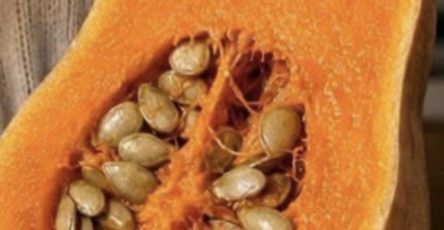
However, butternut squash is a highly nutritious vegetable packed with vitamins, minerals, antioxidants, and fiber that can support overall health when included as part of a balanced diet.
Let’s explore what science actually says about the health benefits of butternut squash and simple ways to enjoy it.
Nutrition Overview
| Nutrient | Benefit |
|---|---|
| Vitamin A | Supports vision and immune health |
| Vitamin C | Helps immune function and collagen production |
| Potassium | Supports healthy blood pressure |
| Fiber | Aids digestion and promotes fullness |
| Magnesium | Supports muscles and nerves |
| Antioxidants | Help protect cells from oxidative stress |
Why Butternut Squash Is Good for You
This colorful winter squash is:
- Rich in vitamins and minerals
- Naturally low in calories
- High in dietary fiber
- Fat-free
- Cholesterol-free
- Full of antioxidants
- Easy to prepare
- Versatile in both sweet and savory dishes
Its naturally sweet flavor makes it a delicious and healthy addition to many meals.
May Support Healthy Blood Sugar
Butternut squash contains carbohydrates, but it is also a good source of fiber, which slows digestion and may help reduce rapid spikes in blood sugar when eaten as part of a balanced meal.
For people with diabetes or prediabetes, portion size and the overall meal composition remain important. Butternut squash should not be viewed as a replacement for prescribed treatment.
Supports Heart Health
A heart-friendly diet often includes vegetables rich in potassium, fiber, and antioxidants.
Butternut squash provides:
- Potassium, which helps regulate blood pressure.
- Fiber, which can contribute to healthy cholesterol levels when consumed regularly as part of an overall healthy diet.
- Antioxidants that help protect cells from oxidative stress.
While these nutrients support cardiovascular health, they do not “clean the arteries” or reverse heart disease.
May Help Maintain Healthy Cholesterol Levels
Fiber-rich foods can contribute to healthy cholesterol levels by supporting normal digestion and helping reduce LDL (“bad”) cholesterol over time when combined with:
- Regular exercise
- Maintaining a healthy weight
- Eating a balanced diet
- Limiting saturated fats
Butternut squash can be a valuable part of this eating pattern.
Can It Fight Anemia?
Butternut squash contains small amounts of iron and is rich in vitamin C, which helps the body absorb iron from plant-based foods.
However, it is not a treatment for anemia. If you suspect anemia, consult a healthcare professional for appropriate testing and treatment.
Rich in Powerful Antioxidants
The vibrant orange color comes from beta-carotene, a powerful antioxidant that the body converts into vitamin A.
Antioxidants help protect cells from damage caused by free radicals and support:
- Healthy skin
- Eye health
- Immune function
- Healthy aging
Supports Eye Health
Because it’s high in beta-carotene, butternut squash may help maintain healthy vision.
It also contains:
- Lutein
- Zeaxanthin
These compounds are associated with long-term eye health.
Good for Digestive Health
The fiber in butternut squash helps:
- Promote regular bowel movements
- Support beneficial gut bacteria
- Increase feelings of fullness
- Contribute to healthy digestion
May Help with Weight Management
Butternut squash is naturally:
- Low in calories
- High in fiber
- Filling
- Nutrient-dense
Replacing highly processed side dishes with roasted squash can help support healthy eating habits.
Easy Ways to Enjoy Butternut Squash
Try it:
- Roasted with olive oil and herbs
- Blended into creamy soup
- Mashed like potatoes
- Added to salads
- Mixed into pasta dishes
- Stirred into risotto
- Cubed for grain bowls
- Added to curries
- Roasted with Brussels sprouts
- Pureed into muffins or pancakes
Simple Roasted Butternut Squash Recipe
Ingredients
- 1 medium butternut squash, peeled and cubed
- 2 tablespoons olive oil
- 1 teaspoon garlic powder
- ½ teaspoon paprika
- Salt and black pepper to taste
- Fresh rosemary or thyme (optional)
Instructions
- Preheat the oven to 400°F (200°C).
- Toss the squash with olive oil and seasonings.
- Spread evenly on a baking sheet.
- Roast for 25–30 minutes, turning halfway through.
- Serve warm as a side dish or add to salads and grain bowls.
Frequently Asked Questions
Can butternut squash lower cholesterol?
Its fiber content may support healthy cholesterol levels as part of a balanced diet, but it is not a cholesterol-lowering medication.
Can it control diabetes?
It can fit into a diabetes-friendly eating plan when eaten in appropriate portions, but it does not cure diabetes.
Does it clean arteries?
No. There is no scientific evidence that any food can literally clean clogged arteries.
Is it good for the heart?
Yes. Its potassium, fiber, and antioxidants make it a heart-friendly vegetable as part of an overall healthy lifestyle.
Can I eat it every day?
Most people can safely enjoy butternut squash regularly as part of a varied, balanced diet.
Is it good for weight loss?
Its high fiber content and relatively low calorie count can help promote fullness, making it a smart choice for many weight-management plans.
Final Thoughts
Butternut squash is one of the most nutritious vegetables you can add to your diet. Rich in fiber, vitamins A and C, potassium, and antioxidants, it supports overall wellness and can be part of a heart-healthy, balanced eating pattern.
While social media often claims that butternut squash can “control blood sugar,” “fight anemia,” or “clean the arteries,” these statements are overstated. No single food can cure or reverse these conditions. The greatest benefits come from combining nutrient-rich foods like butternut squash with regular physical activity, adequate sleep, stress management, and appropriate medical care when needed.
Enjoy butternut squash as a delicious and wholesome ingredient—not as a miracle cure, but as one valuable part of a healthy lifestyle.