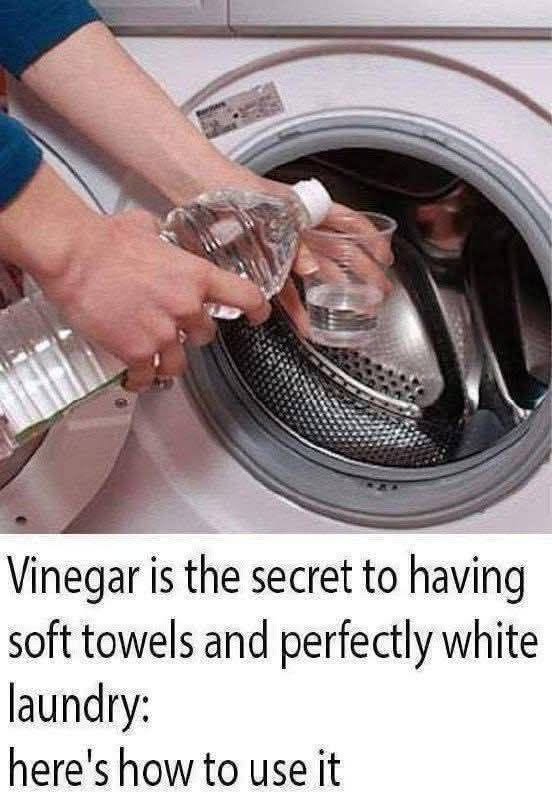
White vinegar has been used for generations as a natural household cleaning aid, and one of its most popular uses is in the laundry room. Many people add distilled white vinegar to their washing machine to help remove detergent residue, soften fabrics, reduce odors, and keep towels feeling fresh without relying on commercial fabric softeners.
While vinegar isn’t a miracle solution and won’t replace detergent or bleach for every job, it can be a useful laundry booster when used correctly. Understanding when, where, and how to use vinegar can help you get cleaner, fresher-smelling laundry while extending the life of your towels and clothing.
In this guide, you’ll learn the safest ways to use vinegar in your washing machine, the benefits it may provide, and the mistakes to avoid.
Overview
| Detail | Information |
|---|---|
| Method | White Vinegar Laundry Booster |
| Prep Time | 2 minutes |
| Wash Time | Normal wash cycle |
| Difficulty | Very Easy |
| Best For | Towels, Sheets, Cotton Clothing |
| Main Ingredient | Distilled White Vinegar |
Why People Use Vinegar in Laundry
Many homeowners use distilled white vinegar because it may help:
- Remove detergent residue
- Reduce lingering odors
- Naturally soften towels
- Reduce static cling
- Brighten white fabrics by removing residue buildup
- Help remove mildew smells
- Leave no lingering vinegar odor after drying
- Keep washing machines cleaner
- Reduce soap buildup in fabrics
- Freshen athletic clothing
Unlike fabric softeners, vinegar does not coat fibers with waxy residues.
What You’ll Need
| Ingredient | Amount |
|---|---|
| Distilled white vinegar | ½ to 1 cup |
| Laundry detergent | As directed |
| Washing machine | Standard or HE (check manufacturer guidance) |
How to Use Vinegar in the Washing Machine
Method 1: As a Fabric Softener
Pour ½ cup of distilled white vinegar into the fabric softener dispenser.
The washing machine will release it automatically during the rinse cycle.
This is the most common and safest way to use vinegar.
Method 2: For Musty Towels
Wash towels using your normal detergent.
Add 1 cup of distilled white vinegar during the rinse cycle.
Dry thoroughly afterward.
Many people find this helps remove detergent buildup that can leave towels stiff.
Method 3: To Reduce Odors
For gym clothes, kitchen towels, or items with lingering odors:
- Wash normally.
- Add ½ cup vinegar during the rinse cycle.
- Dry completely before storing.
Method 4: Cleaning the Washing Machine
Run an empty hot-water cycle.
Add 2 cups of distilled white vinegar directly into the drum.
This can help remove soap residue and mineral deposits from many washing machines. Always consult your appliance manual before cleaning.
Benefits of Using Vinegar
When used correctly, vinegar may help:
Softer Towels
Residue from detergent and fabric softener can make towels feel rough.
Vinegar helps rinse away some of this buildup.
Fresher Laundry
Vinegar can help neutralize certain odors that remain after washing.
Cleaner Washing Machine
Occasional cleaning cycles with vinegar may reduce soap residue inside the drum.
Brighter Whites
Removing detergent buildup can make white fabrics appear brighter over time.
Less Static
Some users notice reduced static when vinegar replaces fabric softener.
Best Fabrics for Vinegar
White vinegar works well with:
- Cotton towels
- Bed sheets
- Cotton T-shirts
- Athletic clothing
- Washcloths
- Kitchen towels
- Pillowcases
- Bathrobes
Fabrics to Avoid
Avoid using vinegar on:
- Natural stone-cleaning cloths containing mineral coatings
- Some delicate silks
- Certain specialty fabrics that recommend against acidic products
- Clothing with manufacturer warnings against vinegar use
Always follow the care label.
Can Vinegar Replace Fabric Softener?
For many cotton items, yes.
Many people prefer vinegar because it softens fabrics without leaving a coating behind.
However, it doesn’t provide fragrance like commercial fabric softeners.
Does Vinegar Remove Odors?
It can help reduce some common odors by helping remove residue and neutralize certain smells.
Very strong odors may require repeated washing or specialized laundry products.
Can Vinegar Whiten Clothes?
Vinegar is not a bleach.
It will not whiten fabrics the way chlorine bleach does.
However, by removing detergent and mineral buildup, whites may appear brighter.
Common Laundry Problems Vinegar May Help
- Stiff towels
- Soap buildup
- Mild mildew odors
- Musty washing machines
- Hard water residue
- Lingering detergent residue
- Static cling
Common Mistakes to Avoid
Using Cleaning Vinegar Instead of Distilled White Vinegar
Cleaning vinegar is more acidic.
For laundry, use distilled white vinegar unless the appliance manufacturer specifically recommends otherwise.
Mixing Vinegar with Bleach
Never mix vinegar with chlorine bleach.
This combination can produce dangerous chlorine gas.
Use each product separately and never in the same wash cycle.
Using Too Much
More is not better.
Usually ½ to 1 cup is enough.
Pouring It Directly on Clothing
Use the dispenser or dilute it in the rinse cycle.
Avoid pouring concentrated vinegar directly onto delicate fabrics.
Ignoring the Appliance Manual
Some washing machine manufacturers discourage frequent use of acidic cleaners on certain components.
Always check your owner’s manual.
Storage
Store distilled white vinegar:
- In its original container
- Away from direct sunlight
- With the lid tightly closed
- Out of reach of children
Frequently Asked Questions
What type of vinegar should I use?
Only distilled white vinegar is recommended for laundry.
Will my clothes smell like vinegar?
No.
The vinegar smell usually disappears completely after the rinse cycle and drying.
Can I use vinegar in every load?
Occasional use is generally sufficient. Frequent use may not be necessary, and it’s best to follow your washing machine manufacturer’s recommendations.
Can vinegar replace detergent?
No.
Detergent removes dirt and oils.
Vinegar is only a laundry booster.
Is vinegar safe for front-loading washers?
Many people use it successfully, but always consult your washing machine manual before regular use.
Can I mix vinegar and baking soda?
Although they fizz when combined, they largely neutralize each other, reducing their cleaning effectiveness. They are generally more effective when used separately for different cleaning tasks.
Does vinegar disinfect clothing?
Household vinegar has some antimicrobial properties, but it should not be relied upon as a disinfectant for laundry.
Can vinegar damage rubber seals?
Occasional use is generally considered acceptable by many users, but repeated use may not be recommended for all machines. Always follow the appliance manufacturer’s guidance.
Is vinegar safe for colored clothes?
Yes, it is generally considered color-safe for most washable fabrics, but always test delicate or specialty fabrics first.
Can vinegar help with pet odors?
Yes, it may help reduce mild pet odors by helping remove odor-causing residues from fabrics.
Final Thoughts
Using distilled white vinegar in the laundry is an inexpensive, natural way to help soften towels, reduce detergent residue, and freshen clothing. While it isn’t a substitute for detergent or bleach, it can be a helpful addition to your laundry routine when used properly.
The key is to use the correct amount, never mix it with chlorine bleach, and always follow the care labels on your clothing and the recommendations in your washing machine’s user manual. With these simple practices, vinegar can become a reliable household helper for keeping towels soft, clothes fresh, and your laundry routine running smoothly.