
Have you ever opened an old drawer, explored a dusty attic, or sorted through a grandparent’s belongings and discovered a collection of small metal objects that seemed mysterious? Many people find vintage items in family homes and have no idea what they were originally used for. One such treasure is the humble thimble.
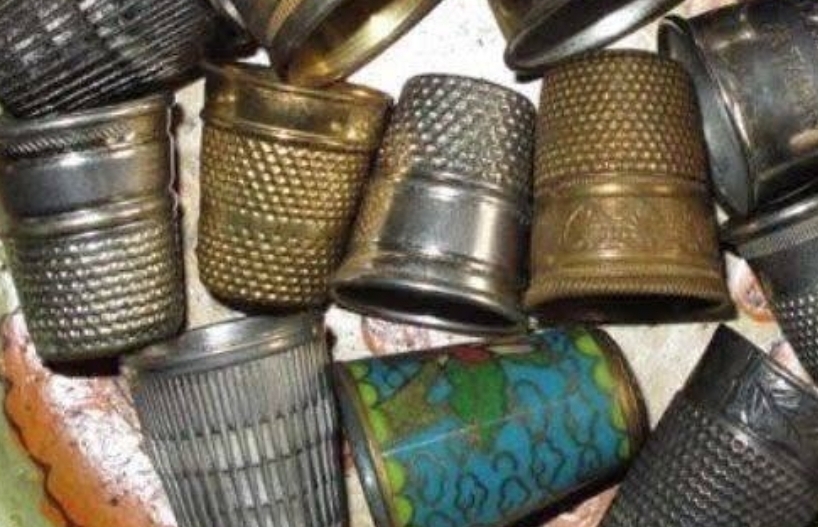
The objects shown in the image are antique and vintage sewing thimbles, small protective caps worn on the finger while sewing by hand. Though they may look simple, these tiny tools have a rich history spanning thousands of years and are highly collectible today.
What Are Thimbles?
A thimble is a small cap, usually made of metal, porcelain, silver, brass, or plastic, that fits over a finger. It is used to protect the finger from being pricked by sewing needles while pushing the needle through fabric.
The dimples or textured patterns covering the outside surface help prevent the needle from slipping during sewing. This design makes hand stitching easier, safer, and more precise.
For centuries, thimbles were considered an essential household sewing tool, especially before sewing machines became common.
The History of Sewing Thimbles
Ancient Origins
The history of the sewing thimble dates back nearly 2,000 years. Archaeologists have discovered early thimble-like objects from the Roman Empire, proving that finger protection was important even in ancient times.
These early versions were often made from bronze and featured small indentations similar to modern thimbles.
Medieval Europe
During the Middle Ages, thimbles became increasingly popular throughout Europe. Skilled metalworkers produced them from brass and copper, making them more durable and affordable.
As clothing became more elaborate, hand sewing became a critical skill, and thimbles were indispensable tools for tailors, dressmakers, and homemakers.
Victorian Era Popularity
The Victorian period marked the golden age of thimble collecting. Manufacturers created beautiful decorative thimbles featuring intricate engravings, floral designs, and personalized markings.
Many women received silver thimbles as gifts, and some families passed them down through generations as treasured heirlooms.
Why Do Vintage Thimbles Have Different Designs?
If you examine old thimbles closely, you’ll notice they come in many shapes, sizes, and materials.
Common variations include:
- Brass thimbles
- Sterling silver thimbles
- Copper thimbles
- Porcelain thimbles
- Enamel thimbles
- Decorative souvenir thimbles
- Advertising thimbles
- Handmade artisan thimbles
The patterns served both practical and decorative purposes. The textured surfaces improved grip, while engraved designs added beauty and individuality.
Why Were Thimbles So Important?
Before the invention of modern sewing machines, almost every piece of clothing was sewn or repaired by hand.
People used thimbles for:
Clothing Repairs
Small tears, loose buttons, and worn seams were routinely repaired at home.
Quilting
Hand quilting required thousands of stitches, making finger protection essential.
Embroidery
Detailed needlework demanded precision and comfort during long sewing sessions.
Tailoring
Professional tailors relied on sturdy metal thimbles daily.
Without thimbles, sewing could be painful and time-consuming.
Antique Thimbles as Collectibles
Today, antique thimbles are highly sought after by collectors worldwide.
Factors affecting value include:
Age
Older thimbles generally command higher prices.
Material
Silver, gold, and rare metals increase value significantly.
Condition
Undamaged examples with clear markings are most desirable.
Rarity
Limited-production or unusual designs attract collectors.
Historical Significance
Thimbles connected to specific manufacturers, historical events, or famous owners may be worth more.
Some rare antique thimbles sell for hundreds or even thousands of dollars.
How to Identify Vintage Thimbles
If you discover a collection like the one in the photo, look for these clues:
Maker’s Marks
Tiny stamps inside or outside the thimble can reveal the manufacturer.
Material
Determine whether it is brass, silver, pewter, or another metal.
Decoration
Hand-engraved details may indicate special craftsmanship.
Country of Origin
Many antique thimbles were produced in England, Germany, France, and the United States.
Size and Shape
Different styles were designed for various sewing techniques.
Common Materials Used in Antique Thimbles
Brass Thimbles
Durable and affordable, brass thimbles were among the most common household sewing tools.
Sterling Silver Thimbles
Elegant and collectible, silver thimbles were often gifted for birthdays, weddings, and anniversaries.
Pewter Thimbles
Popular due to their low cost and ease of production.
Porcelain Thimbles
Often used as decorative souvenirs rather than everyday sewing tools.
Enamel Thimbles
Colorful enamel coatings made these highly attractive collector’s items.
The Rise of Thimble Collecting
Thimble collecting, known as digitabulism, became a popular hobby during the 19th century and remains active today.
Collectors search for:
- Antique sewing thimbles
- Sterling silver thimbles
- Victorian thimbles
- Souvenir thimbles
- Enamel thimbles
- Advertising thimbles
- Rare handmade thimbles
- International thimble collections
Many museums and collector clubs maintain extensive displays showcasing the artistry and history of these miniature treasures.
Are Grandma’s Old Thimbles Worth Anything?
Possibly.
A simple brass thimble may only be worth a few dollars, while rare silver or historically significant examples can be surprisingly valuable.
If you inherit a collection:
- Do not polish aggressively.
- Check for hallmarks or maker’s marks.
- Photograph each piece.
- Research antique sewing tools.
- Consult an antique appraiser if necessary.
The value often depends on rarity, condition, age, and demand among collectors.
Fun Facts About Thimbles
- The word “thimble” comes from the Old English word for “thumb.”
- Some royal families owned custom-made gold and silver thimbles.
- The world’s largest thimble collections contain thousands of examples.
- Antique thimbles were sometimes given as tokens of affection.
- Certain collectible thimbles are considered miniature works of art.
Final Thoughts
At first glance, the objects in your grandmother’s collection may seem like mysterious metal caps. In reality, they are vintage sewing thimbles, practical tools that once played an essential role in everyday life. These tiny sewing accessories protected fingers, improved stitching accuracy, and became treasured keepsakes passed from generation to generation.
Whether they’re simple brass pieces or rare collectible treasures, old thimbles offer a fascinating glimpse into the history of sewing, craftsmanship, and family heritage. The next time you discover a box of antique thimbles in a grandparent’s home, you may be holding a small but meaningful piece of history.