
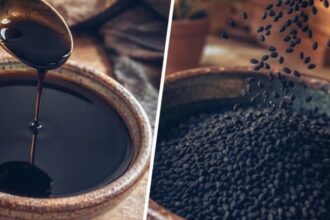
For thousands of years, black seed has been treasured as one of nature’s most remarkable healing foods. Known scientifically as Nigella sativa, black seed has been used in traditional medicine across the Middle East, Asia, and Africa for centuries. Often referred to as black cumin, black caraway, or the blessed seed, it has earned a reputation as “the seed that heals almost everything.”
While claims that black seed can cure more than 200 diseases are exaggerated and not scientifically proven, modern research has revealed that black seed contains powerful compounds that may support overall health, boost immunity, reduce inflammation, and promote wellness in numerous ways.
In this comprehensive guide, you’ll discover the history, benefits, nutritional value, uses, recipes, and precautions associated with black seed.
What Is Black Seed?
Black seed comes from the flowering plant Nigella sativa, which belongs to the buttercup family. The small black seeds have a slightly bitter, peppery flavor with hints of oregano, onion, and nutmeg.
For centuries, black seed has been used in:
- Traditional Arabic medicine
- Ayurvedic medicine
- Islamic medicine
- Ancient Egyptian remedies
- Traditional African healing practices
Archaeologists even discovered black seeds in the tomb of Pharaoh Tutankhamun, highlighting their importance in ancient Egypt.
Nutritional Value of Black Seed
Despite its tiny size, black seed is packed with nutrients and beneficial plant compounds.
Key Nutrients Found in Black Seed
- Healthy fats
- Protein
- Fiber
- Calcium
- Iron
- Zinc
- Potassium
- Magnesium
- Phosphorus
- Vitamins B1, B2, and B3
Powerful Active Compounds
The primary therapeutic compound in black seed is:
Thymoquinone
Thymoquinone is a powerful antioxidant and anti-inflammatory compound believed to be responsible for many of black seed’s health-supporting properties.
Other beneficial compounds include:
- Nigellone
- Carvacrol
- Alpha-hederin
- Thymol
- Essential oils
Top Health Benefits of Black Seed
1. Supports a Healthy Immune System
Black seed contains antioxidants that help protect cells from oxidative stress.
Many people use black seed oil during seasonal changes to support natural immune defenses.
Potential benefits include:
- Enhanced immune response
- Reduced oxidative damage
- Better overall wellness
2. Rich in Powerful Antioxidants
Antioxidants help neutralize harmful free radicals that contribute to aging and chronic disease.
Black seed contains compounds that may help:
- Protect cells
- Support healthy aging
- Reduce oxidative stress
3. Helps Reduce Inflammation
Chronic inflammation is linked to numerous health problems.
Research suggests that thymoquinone may help support the body’s natural inflammatory response.
This may benefit:
- Joint comfort
- Muscle recovery
- General wellness
4. Supports Heart Health
Black seed may contribute to cardiovascular wellness by supporting:
- Healthy cholesterol levels
- Normal blood pressure
- Healthy circulation
Combined with a balanced diet and exercise, black seed can be part of a heart-conscious lifestyle.
5. May Help Maintain Healthy Blood Sugar Levels
Several studies suggest that black seed may support healthy glucose metabolism.
Potential benefits include:
- Improved insulin sensitivity
- Better blood sugar balance
- Support for metabolic health
People taking diabetes medications should consult a healthcare professional before using black seed supplements.
6. Supports Digestive Health
Traditional healers have long used black seed for digestive comfort.
Benefits may include:
- Reduced bloating
- Improved digestion
- Better gut health
- Relief from occasional stomach discomfort
7. May Support Weight Management
Black seed may help support healthy weight management when combined with:
- Proper nutrition
- Regular exercise
- Adequate sleep
Its fiber content may also promote satiety.
8. Promotes Healthy Skin
Black seed oil is widely used in natural skincare products.
Potential skin benefits include:
- Hydration
- Reduced redness
- Improved skin appearance
- Support for healthy skin barrier function
Many people apply diluted black seed oil directly to the skin.
9. Supports Hair Growth and Scalp Health
Black seed oil is commonly used for hair care.
Benefits may include:
- Nourishing hair follicles
- Supporting scalp health
- Reducing dryness
- Improving hair appearance
10. Supports Respiratory Wellness
Historically, black seed has been used to support healthy breathing.
Its natural compounds may help promote respiratory comfort and support lung health.
Black Seed Oil Benefits
Black seed oil is one of the most popular forms of Nigella sativa.
Benefits of Black Seed Oil
- Highly concentrated
- Easy to consume
- Rich in thymoquinone
- Convenient daily supplement
- Can be used internally or externally
Many health-conscious individuals prefer cold-pressed black seed oil to preserve beneficial compounds.
How to Use Black Seed
Eat the Whole Seeds
Ways to consume black seeds:
- Sprinkle on bread
- Add to salads
- Mix into yogurt
- Blend into smoothies
- Use in soups
- Add to rice dishes
Drink Black Seed Tea
Black Seed Tea Recipe
Ingredients
- 1 teaspoon black seeds
- 2 cups water
- 1 teaspoon honey (optional)
- Lemon slice (optional)
Instructions
- Bring water to a boil.
- Add black seeds.
- Simmer for 10 minutes.
- Strain into a cup.
- Add honey and lemon if desired.
- Serve warm.
This soothing beverage is commonly enjoyed as part of a wellness routine.
Take Black Seed Oil
Many people consume:
- 1 teaspoon daily
- Mixed with honey
- Added to smoothies
- Taken directly
Always follow product instructions and consult a healthcare professional if you have underlying medical conditions.
Traditional Black Seed and Honey Remedy
One of the most popular traditional recipes combines black seed with raw honey.
Ingredients
- 1 teaspoon ground black seed
- 1 tablespoon raw honey
Directions
Mix thoroughly and consume once daily.
This traditional combination is valued in many cultures as a natural wellness tonic.
Can Black Seed Really Cure 200 Diseases?
The internet often claims that black seed can cure more than 200 diseases.
The truth is more nuanced.
What Science Says
Research supports black seed’s potential role in:
- Antioxidant activity
- Inflammation management
- Immune support
- Digestive health
- Cardiovascular wellness
- Skin health
However, there is currently no scientific evidence proving that black seed cures more than 200 diseases.
Black seed should be viewed as a supportive natural food rather than a miracle cure.
Possible Side Effects of Black Seed
Although generally considered safe when consumed in moderate amounts, some individuals may experience:
- Digestive upset
- Allergic reactions
- Skin irritation from topical use
- Low blood sugar
- Low blood pressure
Pregnant women, nursing mothers, and people taking medications should consult their healthcare provider before using black seed supplements.
Choosing High-Quality Black Seed
When purchasing black seed products, look for:
✅ Organic black seeds
✅ Cold-pressed black seed oil
✅ No artificial additives
✅ Dark glass bottles for oil
✅ Third-party quality testing
Proper storage helps preserve freshness and potency.
Final Thoughts
Black seed (Nigella sativa) has earned its reputation as one of the world’s most respected traditional remedies. Rich in antioxidants, healthy fats, and the powerful compound thymoquinone, black seed may support immune health, digestion, heart health, skin wellness, respiratory function, and overall vitality.
Although it is not a miracle cure and cannot scientifically be said to cure more than 200 diseases, black seed remains a valuable addition to a healthy lifestyle. Whether consumed as whole seeds, brewed into tea, mixed with honey, or taken as black seed oil, this ancient superfood continues to be celebrated for its remarkable nutritional and wellness benefits.