Sleep is one of the most important pillars of health, yet many people rarely think about the position they sleep in each night. While comfort is often the deciding factor, research suggests that your sleeping position may affect digestion, acid reflux, breathing, spinal alignment, and overall sleep quality. If you always sleep on your right side, it may be worth paying attention to how your body responds.
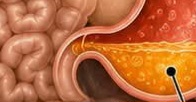
The image above suggests that sleeping on the right side may allow stomach acid to move more easily toward the esophagus, while sleeping on the left side may help keep stomach acid lower in the stomach. Although the illustration simplifies a complex process, there is scientific evidence that sleeping position can influence symptoms of acid reflux and heartburn.
Why Sleeping Position Matters
During sleep, gravity continues to affect your internal organs and digestive system. The way your body is positioned can impact:
- Acid reflux and heartburn
- Digestion
- Breathing patterns
- Blood circulation
- Snoring and sleep apnea symptoms
- Back and neck comfort
- Overall sleep quality
For many people, changing sleep position can provide noticeable relief from certain health concerns without medication.
What Happens When You Sleep on Your Right Side?
Sleeping on the right side is a common and comfortable position. Many people naturally roll onto their right side during the night. However, there are both benefits and drawbacks associated with this habit.
Potential Benefits of Sleeping on Your Right Side
1. Comfortable for Many People
The right side sleeping position often feels natural and comfortable. It can reduce pressure on the back and may help some people fall asleep faster.
2. May Reduce Pressure on Certain Areas
For some individuals, right-side sleeping may relieve pressure on the hips, lower back, and joints when supported with proper pillows.
3. Can Help Reduce Snoring in Some Cases
Side sleeping in general is often better than sleeping flat on the back because it can help keep the airway more open.
4. May Improve Sleep Quality
People who find this position comfortable are more likely to remain asleep throughout the night, leading to better rest.
The Main Concern: Acid Reflux and Heartburn
The biggest concern associated with sleeping on the right side is gastroesophageal reflux, commonly known as acid reflux.
Why Does This Happen?
The stomach is naturally positioned slightly to the left side of the body. When you lie on your right side, stomach acid may have an easier path toward the lower esophagus.
This can increase the likelihood of:
- Heartburn
- Acid reflux
- Chest discomfort
- Sour taste in the mouth
- Nighttime coughing
- Interrupted sleep
People who suffer from GERD (Gastroesophageal Reflux Disease) often report worse symptoms when sleeping on their right side.
Why Many Experts Recommend Sleeping on the Left Side
1. Better Acid Control
The left-side sleeping position may help keep stomach contents lower than the esophagus, reducing the chance of acid moving upward.
2. Improved Digestion
Some evidence suggests that left-side sleeping may support the natural movement of food and digestive waste through the digestive tract.
3. Less Nighttime Heartburn
Individuals with frequent reflux often experience fewer symptoms when sleeping on the left side.
4. Better Sleep for People with GERD
Switching to the left side may reduce nighttime awakenings caused by reflux symptoms.
Signs Your Sleeping Position May Be Causing Problems
If you regularly sleep on your right side and experience any of the following, your sleeping position could be contributing:
- Frequent heartburn
- Acid reflux at night
- Waking up with a sore throat
- Chronic coughing during sleep
- Bitter or acidic taste in the mouth
- Chest discomfort after lying down
- Interrupted sleep
If symptoms occur regularly, consult a healthcare professional for proper evaluation.
Tips for Better Sleep and Less Reflux
Avoid Large Meals Before Bed
Try not to eat heavy meals within 2–3 hours of bedtime.
Elevate Your Head
Using a wedge pillow or elevating the head of your bed can help reduce acid reflux.
Maintain a Healthy Weight
Excess abdominal pressure can increase reflux symptoms.
Limit Trigger Foods
Common triggers include:
- Fried foods
- Spicy foods
- Chocolate
- Caffeine
- Alcohol
- Carbonated drinks
- Mint
Consider Sleeping on Your Left Side
If acid reflux is a recurring problem, gradually training yourself to sleep on the left side may help.
Other Sleeping Positions Compared
Left Side Sleeping
Pros:
- May reduce acid reflux
- Supports digestion
- Often recommended for GERD sufferers
Cons:
- May cause shoulder discomfort in some people
Back Sleeping
Pros:
- Supports spinal alignment
- Reduces facial pressure
Cons:
- May worsen snoring
- Can aggravate sleep apnea
Stomach Sleeping
Pros:
- May reduce snoring for some people
Cons:
- Can strain the neck
- Often leads to poor spinal alignment
Is Sleeping on the Right Side Bad?
Not necessarily. Sleeping on your right side is not harmful for most healthy individuals. The main concern arises in people who experience frequent acid reflux, GERD, or nighttime heartburn. If you sleep comfortably on your right side and do not have digestive symptoms, there may be little reason to change your preferred position.
However, if you often wake up with heartburn, coughing, throat irritation, or reflux symptoms, experimenting with left-side sleeping could make a noticeable difference.
Final Thoughts
If you always sleep on your right side, paying attention to your body’s signals is important. While this sleeping position is comfortable for many people, it may increase acid reflux symptoms in those prone to heartburn or GERD. Sleeping on the left side is often considered the best sleeping position for acid reflux because it helps keep stomach acid away from the esophagus.
Ultimately, the best sleeping position is one that promotes comfort, quality sleep, healthy breathing, proper spinal alignment, and minimal digestive discomfort. Small changes in your nighttime habits can sometimes lead to significant improvements in sleep quality and overall health.