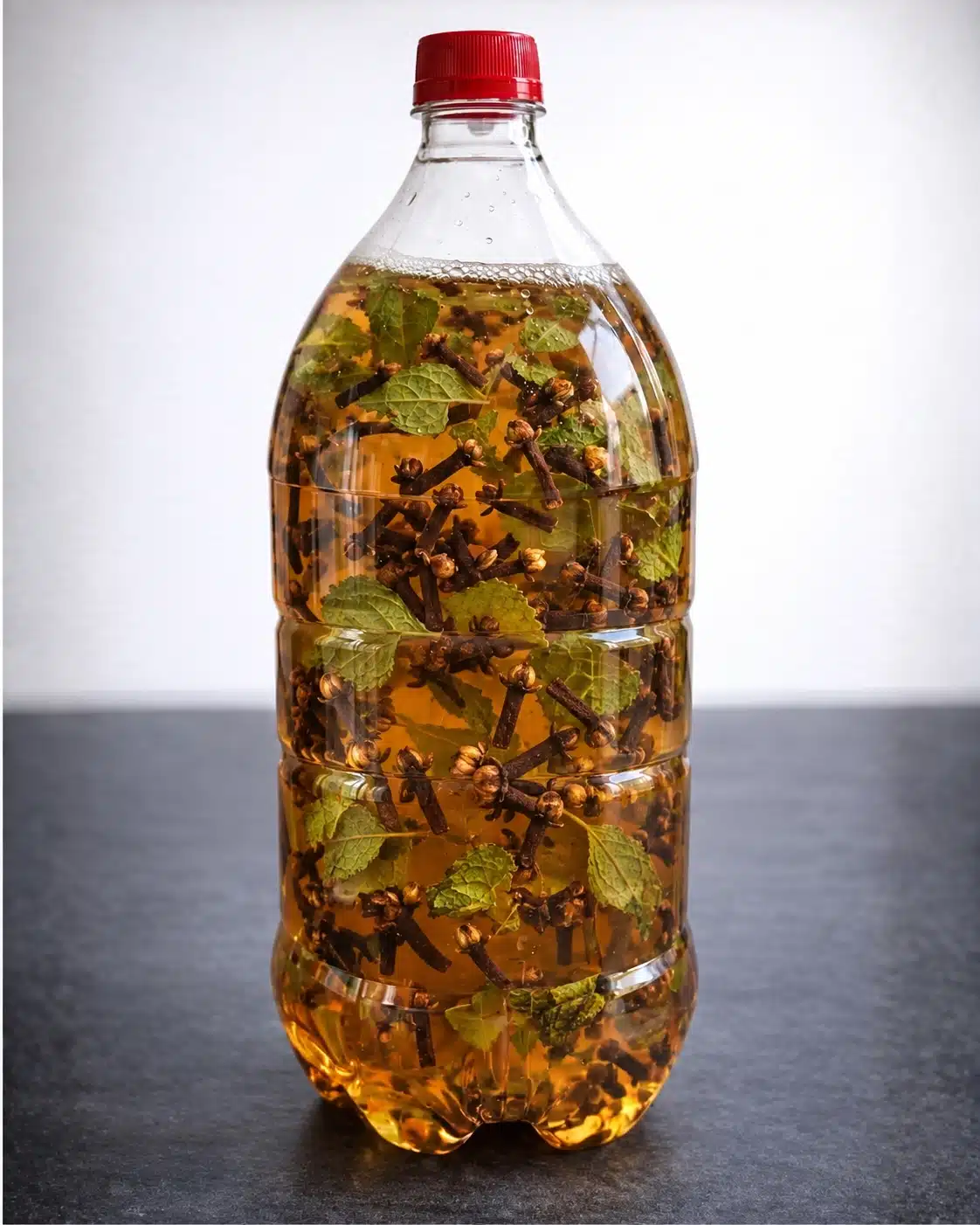
This Ginger and Clove Tea is a simple homemade drink made with fresh ginger, whole cloves, water, and optional mint or lemon. It has a warming, spicy aroma with a refreshing herbal finish and can be enjoyed hot in cooler weather or chilled over ice when you want something light and flavorful.
Inspired by the drink shown in the image, this recipe focuses on a practical food-and-beverage use for ginger and cloves rather than exaggerated viral claims. Ginger and cloves have a long history of culinary use, but no homemade drink should be presented as a cure for disease, a guaranteed detox, or a replacement for medical treatment.
What this drink can do very well is provide a flavorful alternative to sugary beverages. It can also be a pleasant after-meal drink, especially for people who enjoy warm spices and fresh herbs.
The recipe is inexpensive, easy to make in a saucepan, and can be prepared in a larger batch for the refrigerator. Add lemon for brightness, mint for freshness, or cinnamon for an even warmer flavor.
Recipe Overview
| Recipe Details | Information |
|---|---|
| Recipe Name | Ginger and Clove Tea |
| Focus Keyword | Ginger and Clove Tea |
| Prep Time | 5 minutes |
| Simmer Time | 10–15 minutes |
| Total Time | About 20 minutes |
| Servings | 4 |
| Course | Beverage |
| Difficulty | Very Easy |
| Main Ingredients | Ginger, cloves, water |
| Optional Ingredients | Lemon, mint, cinnamon |
| Flavor | Warm, spicy, aromatic |
| Best Served | Hot or chilled |
| Added Sugar | None required |
| Make-Ahead Friendly | Yes |
| Refrigerator Storage | About 2–3 days |
Why You’ll Love This Ginger and Clove Drink
The recipe requires only a few inexpensive ingredients.
Fresh ginger provides a warm spicy flavor, while cloves give the drink a deeper aromatic note. A small amount of mint can make the finished tea taste lighter and fresher.
It is also naturally low in calories when served without sugar or large amounts of honey.
That makes it a useful alternative when you are trying to reduce sweetened soda, bottled juice, or heavily sweetened tea.
Another advantage is versatility.
You can drink it hot, chill it for later, add lemon, mix in cinnamon, or dilute it with additional water if the spice flavor becomes too strong.
Ingredients
For the Basic Ginger and Clove Tea
- 4 cups water
- 2-inch piece fresh ginger
- 6–8 whole cloves
- 6–8 fresh mint leaves, optional
- 2 tablespoons fresh lemon juice, optional
- 1 small cinnamon stick, optional
Optional for Serving
- Fresh lemon slices
- Fresh mint
- A small amount of honey
- Orange peel
- Ice for a cold version
The cloves are strong, so you do not need a large handful.
Using more spices does not automatically make the drink healthier.
Why Ginger Is Used
Fresh ginger has a distinctive spicy and slightly citrus-like flavor.
It is commonly used in cooking, teas, soups, marinades, and baked goods.
Ginger has also been studied for nausea and digestive symptoms, although the amount used and individual response can vary considerably.
For this recipe, its biggest role is flavor.
Fresh ginger gives the tea warmth without needing sugar.
Peeling the ginger is optional if the root has been thoroughly washed, but removing the skin generally produces a cleaner-looking drink.
Why Cloves Are Added
Cloves have an intense aroma, so only a small quantity is needed.
Their flavor is warm, slightly sweet, and peppery.
They contain naturally occurring aromatic compounds, including eugenol, which is responsible for much of their characteristic scent.
Whole cloves are preferable to clove oil in a drink like this.
Clove essential oil is highly concentrated and should not be treated like ordinary culinary cloves.
For an everyday tea, a few whole cloves are plenty.
Why Add Mint
The image appears to show green leaves in the infused drink, and mint is an excellent option for this combination.
It softens the stronger spice notes from ginger and cloves.
Mint also makes the drink taste lighter when served cold.
Fresh spearmint works particularly well, although peppermint can be used if you prefer a stronger cooling flavor.
Add the mint near the end rather than boiling it for a long time.
That helps preserve more of its fresh aroma.
Why Lemon Works So Well
Lemon adds acidity that balances the warm spices.
It also gives the tea a fresher finish.
For the brightest flavor, add lemon after the tea has finished simmering.
You can also use lime.
Orange peel creates a sweeter, more aromatic variation that works especially well with cloves and cinnamon.
How to Make Ginger and Clove Tea
Step 1: Prepare the Ginger
Wash the ginger thoroughly.
Peel it if desired.
Slice it thinly so more surface area comes into contact with the water.
Thin slices release flavor more quickly than one large piece.
Step 2: Add Water to a Saucepan
Pour four cups of water into a medium saucepan.
Bring the water to a gentle boil.
Step 3: Add the Ginger
Add the sliced ginger.
Reduce the heat slightly.
Allow it to simmer gently.
Step 4: Add the Cloves
Add six to eight whole cloves.
If you prefer a stronger clove flavor, add one or two more rather than dramatically increasing the amount.
Too many cloves can make the tea bitter and slightly numbing.
Step 5: Add Cinnamon if Desired
Add one small cinnamon stick for a warmer, sweeter aroma.
This is optional.
Ginger and cloves are flavorful enough on their own.
Step 6: Simmer
Reduce the heat to low.
Simmer for approximately 10–15 minutes.
The water will gradually become more aromatic and slightly darker.
Step 7: Add Mint
Turn off the heat.
Add the fresh mint leaves.
Cover the saucepan and allow the mint to steep for 3–5 minutes.
Step 8: Strain
Pour the tea through a fine strainer.
Discard the ginger slices, cloves, cinnamon, and mint.
Step 9: Add Lemon
Stir in fresh lemon juice.
Taste before adding anything sweet.
Step 10: Serve
Serve immediately while warm or allow the tea to cool.
For a cold version, refrigerate and serve over ice with lemon and fresh mint.
What Does Ginger and Clove Tea Actually Do?
This is where it is important to separate ordinary nutrition from viral promises.
Ginger and cloves are foods and spices.
They can contribute flavor and plant compounds to the diet, but drinking them does not automatically “clean toxins,” cure infections, reverse chronic disease, or melt body fat.
A homemade herbal drink may still have practical value.
It provides fluid.
It can replace sugar-sweetened beverages.
Some people find warm ginger drinks comfortable after meals.
And choosing an unsweetened beverage can support an overall balanced eating pattern.
Those are realistic reasons to enjoy it.
Is Ginger and Clove Tea a Detox Drink?
Your body does not require a special homemade drink to remove everyday “toxins.”
The liver, kidneys, digestive system, lungs, and other organs continuously process and eliminate waste.
Calling ginger-and-clove water a “detox” can therefore create unrealistic expectations.
A better description is herbal infused tea or spiced ginger drink.
Drink it because you enjoy the flavor and because it can fit into a healthy hydration routine.
Can Ginger and Cloves Help with Digestion?
Some people enjoy ginger after meals because they find its warm flavor soothing.
Ginger has also been studied in relation to nausea and gastrointestinal symptoms.
However, individual responses vary.
Cloves are also traditionally used as a culinary digestive spice, but drinking a few cloves in tea should not be viewed as treatment for ongoing stomach problems.
If you have persistent abdominal pain, frequent vomiting, severe reflux, unexplained weight loss, blood in the stool, or other significant digestive symptoms, those deserve proper medical evaluation.
Can This Drink Help with Weight Loss?
The tea itself does not directly burn body fat.
However, an unsweetened ginger-and-clove tea contains very few calories.
If it replaces a large sweetened coffee, soda, or sugary bottled drink, that substitution can reduce overall calorie intake.
That is a realistic way a beverage like this might support a weight-management routine.
The main factors in body-fat changes remain overall food intake, physical activity, sleep, muscle mass, health status, and consistency.
There is no spice combination that selectively burns belly fat.
Hot Ginger and Clove Tea
For the classic version, serve the drink immediately after straining.
Add a lemon slice and a few fresh mint leaves.
This version is especially comforting during cool weather.
If you want slight sweetness, add a small amount of honey after the drink has cooled enough to sip comfortably.
You do not need much because cinnamon and cloves already create a naturally sweet aroma.
Cold Ginger and Clove Infused Drink
Prepare the recipe normally.
Allow it to cool to room temperature.
Transfer to a covered pitcher or bottle and refrigerate.
Serve over ice with:
- Lemon slices
- Mint leaves
- Cucumber slices
- Orange slices
This creates a refreshing alternative to sweet iced tea.
Ginger, Clove and Cinnamon Tea
For a warmer spice blend, add one small cinnamon stick while simmering.
Cinnamon softens some of the sharpness of the ginger.
The combination is particularly good during autumn and winter.
You can also add a small strip of orange peel for a holiday-style aroma.
Ginger, Clove and Lemon Tea
Use the basic recipe and add two tablespoons fresh lemon juice after straining.
For stronger citrus flavor, add lemon zest while simmering.
Avoid adding large amounts of the bitter white pith.
This version has a brighter flavor and works well both hot and cold.
Ginger, Clove and Mint Tea
If you prefer a fresher drink, increase the mint to about 10–12 leaves.
Do not simmer the mint for the full 15 minutes.
Add it after turning off the heat and allow it to steep briefly.
Long boiling can make fresh mint taste dull or bitter.
Ginger, Clove and Orange Drink
Add several strips of fresh orange peel during the final five minutes of simmering.
Orange works beautifully with cloves.
Serve with an orange slice.
This variation tastes slightly sweeter even without added sugar.
How Strong Should the Drink Be?
Start gently.
A good basic ratio is approximately:
- 4 cups water
- 2 inches ginger
- 6–8 cloves
After tasting, adjust future batches.
If you want stronger ginger flavor, add more ginger.
If you want stronger clove flavor, increase cloves only slightly.
Cloves are much more intense than ginger.
Should You Grind the Cloves?
Whole cloves are easier to control.
Ground cloves disperse throughout the drink and can make the texture gritty.
They are also much stronger by volume.
If you only have ground cloves, use a very small pinch and strain carefully.
Whole cloves are preferable for tea.
Should You Blend the Ginger?
You can, but it is not necessary.
Blending produces a stronger and cloudier drink.
For a clear tea, sliced ginger is better.
If you want a concentrated ginger shot-style drink, that is a different preparation and should use much smaller serving sizes.
For everyday tea, simmering slices is simpler.
How Much Should You Drink?
There is no proven therapeutic dose of homemade ginger-and-clove tea that everyone needs.
One normal cup can simply be treated like any other herbal beverage.
You do not need to drink liters of it or repeatedly consume highly concentrated versions.
More is not necessarily better.
The goal is a pleasant beverage, not an extreme herbal treatment.
Best Time to Drink It
There is no magic time.
You can drink it:
- In the morning
- Between meals
- After lunch
- After dinner
- In the evening
If ginger or spices irritate your stomach, having the drink with or after food may feel more comfortable than drinking a strong version on an empty stomach.
Can You Drink It Before Bed?
Yes, provided the spices do not cause heartburn or stomach discomfort for you.
The recipe contains no caffeine unless you combine it with caffeinated tea.
A warm cup can be part of an evening routine.
However, there is no evidence that drinking it specifically at bedtime creates special detoxification or fat-burning effects.
Important Safety Notes
Normal culinary amounts of ginger and cloves are commonly used in food.
Concentrated products are different.
Large quantities of ginger or clove supplements may interact with medications or cause digestive side effects in some people.
Clove oil is especially concentrated and should not be substituted directly for whole cloves in this drink.
People taking anticoagulants or other medications that influence bleeding should be cautious with large supplemental amounts of certain herbs and spices.
If you are pregnant, taking prescription medication, have a bleeding disorder, liver disease, or another medical condition, discuss frequent concentrated herbal preparations with an appropriate healthcare professional.
Why You Should Avoid Extremely Concentrated Clove Drinks
Cloves have a very strong flavor because they contain concentrated aromatic compounds.
A few whole cloves in several cups of water is very different from drinking clove essential oil or preparing an extremely concentrated extract.
Do not assume that because cloves are natural, unlimited amounts are harmless.
Use them as a culinary ingredient.
That keeps the recipe flavorful without turning an ordinary beverage into an unnecessarily concentrated product.
How to Make It Taste Better Without Lots of Sugar
If the tea feels too spicy, do not immediately add several spoonfuls of sugar.
Try adding more water.
You can also use:
- Lemon
- Orange
- Mint
- Cinnamon
- A small amount of honey
Chilling the drink also reduces how intense the spices taste.
If weight management or reducing added sugar is one of your goals, keeping the beverage mostly unsweetened is the simplest approach.
Make-Ahead Instructions
This drink can easily be prepared ahead.
Make a full batch and strain it.
Allow it to cool.
Transfer it to a clean covered container and refrigerate.
Do not leave pieces of fresh herbs and fruit sitting in the drink for several days because the flavor can become bitter and the quality deteriorates.
Add fresh mint and lemon when serving.
Storage
Keep prepared tea refrigerated in a clean, tightly covered container.
For the best flavor, use it within approximately 2–3 days.
Natural sediment can form at the bottom.
That is normal.
Shake or stir before pouring.
Discard the drink if it develops an unusual odor, visible mold, significant fermentation, or other signs of spoilage.
Can You Reheat It?
Yes.
Pour the amount you want into a small saucepan.
Warm gently until steaming.
You can also microwave individual servings.
Avoid repeatedly heating and cooling the entire batch.
Instead, keep the main container refrigerated and warm only what you intend to drink.
Common Mistakes and How to Avoid Them
Using too many cloves is one of the most common problems because the drink becomes bitter and overpowering.
Boiling the ingredients aggressively for a very long time can also create a harsh flavor.
Another mistake is adding large amounts of sugar and then calling the beverage a healthy low-calorie drink.
Avoid using clove oil as if it were equivalent to whole cloves.
And do not depend on ginger-and-clove tea to treat health problems that require medical care.
Keep the preparation simple, moderate, and food-based.
Nutrition Estimate
| Nutrition | Approximate Amount |
|---|---|
| Calories | 5–15 |
| Protein | Less than 1 g |
| Carbohydrates | 1–3 g |
| Fat | 0 g |
| Added Sugar | 0 g |
| Serving Size | 1 cup |
Values assume the tea is served without honey or sugar.
Adding sweeteners will increase calories and sugar.
Frequently Asked Questions
What is Ginger and Clove Tea?
It is a homemade herbal beverage made by steeping or simmering fresh ginger and whole cloves in water.
Can I add mint?
Yes. Fresh mint pairs very well with ginger and cloves.
Can I add lemon?
Absolutely.
Can I add cinnamon?
Yes. Cinnamon creates a warmer and slightly sweeter flavor.
Can I add orange peel?
Yes. Orange and cloves are a classic combination.
Can I drink it cold?
Yes. Chill it after straining and serve over ice.
Can I add honey?
Yes, but use only as much as needed for taste.
Does it detox the body?
It should not be relied upon as a special detox treatment. Your body already has systems that process and eliminate waste.
Does it burn belly fat?
No drink can selectively burn abdominal fat.
Can it support weight management?
It may fit into a weight-management plan when it replaces higher-calorie sugary drinks.
Does ginger help nausea?
Ginger has been studied for nausea, but the appropriate approach depends on the cause and individual circumstances.
Can it cure stomach problems?
No. Persistent digestive symptoms need proper evaluation.
Can I use ground ginger?
Yes, but fresh ginger generally gives a cleaner flavor.
Can I use ground cloves?
You can, but use only a tiny amount because the powder is strong and harder to strain.
How many cloves should I use?
About 6–8 whole cloves for four cups of water is a practical starting point.
How long should it simmer?
Approximately 10–15 minutes.
Can I boil it longer?
You can, but a longer boil may make the drink harsh or bitter.
Can I drink it every day?
Many people use ginger and cloves regularly as culinary ingredients, but there is no need to consume highly concentrated preparations every day.
Is clove oil the same thing?
No. Clove oil is much more concentrated and should not be used like whole cloves.
Can children drink it?
For children, strongly concentrated herbal drinks are best discussed with a pediatric healthcare professional, particularly for younger children.
Can pregnant women drink it?
Normal culinary use differs from concentrated herbal preparations. Pregnancy is a good reason to discuss frequent or strong herbal drinks with a healthcare professional.
Can I prepare it overnight?
Yes. Prepare and strain it, then refrigerate in a covered container.
How long does it keep?
About 2–3 days refrigerated for best quality.
Final Thoughts
This Ginger and Clove Tea is a simple way to transform a few everyday spices into a flavorful homemade drink.
Fresh ginger gives it warmth, cloves provide deep aromatic flavor, and mint and lemon can make the finished beverage brighter and more refreshing.
The recipe can be enjoyed warm in winter or chilled over ice during warmer weather. It is inexpensive, easy to prepare, and naturally low in calories when you leave out added sugar.
The key is keeping expectations realistic.
Ginger and cloves are useful culinary ingredients, not miracle medicines. You do not need extreme quantities, highly concentrated oils, or exaggerated “detox” claims to enjoy them.
Use a few cloves, fresh ginger, plenty of water, and optional lemon or mint. Prepare it because you enjoy the flavor and because an unsweetened homemade drink can be a useful part of a balanced routine.